Search Blogs
Unlock individual employee potential by personalizing learning paths. Discover how L&D teams can leverage an LMS to create customized training plans, align with career goals, bridge skill gaps, and foster a thriving culture of continuous learning and grow




How to Personalize Learning Paths for Individual Employee Growth
Imagine a world where every employee feels truly seen, valued, and empowered to reach their highest potential. A world where learning isn't a rigid, one-size-fits-all mandate, but a dynamic, personalized journey crafted just for them. For Learning and Development (L&D) teams in HR, this isn't a distant dream, it's an achievable reality, especially when you harness the incredible power of a robust Learning Management System (LMS). We have an unparalleled opportunity to ignite the spark of continuous learning and foster remarkable individual growth within our organizations. Let's explore how we can make this vision a vibrant reality together.
The Power of Personalization in Employee Development
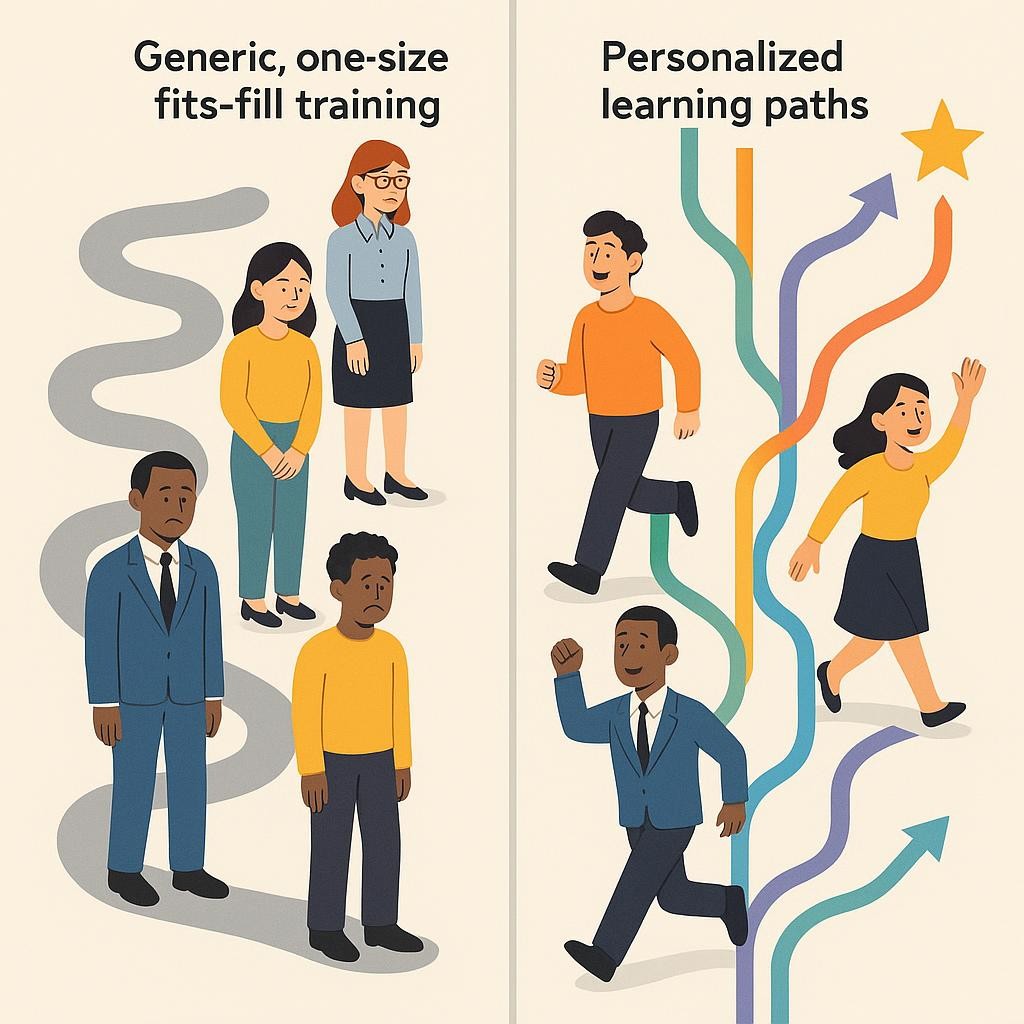
Think about it, we're all unique individuals with distinct needs, aspirations, and learning styles. So, why do we often subject our employees to generic training programs? The truth is, a one-size-fits-all approach often falls short. It can disengage learners, lead to wasted time on irrelevant topics, and ultimately stifle the very employee development we aim to foster. Isn't it time we recognized that what works for one person might not resonate with another?
Personalization in learning is like a tailor-made suit compared to an off-the-rack garment. It fits perfectly, feels comfortable, and makes the wearer confident. When learning paths are personalized, employees are more engaged, absorb information more effectively, and are far more likely to apply new skills directly to their roles. This leads to a cascade of benefits, including increased job satisfaction, higher retention rates, enhanced productivity, and a stronger, more adaptable workforce. We're not just delivering content, we're investing in human potential, helping each individual carve out their unique path to success.
Understanding Your Employees: The Foundation of Personalization
Before we can personalize, we must first understand. This crucial first step involves gathering insights into each employee's current skill set, their career aspirations, and their preferred ways of learning. How do we do this effectively? It starts with listening, observing, and collecting meaningful data.
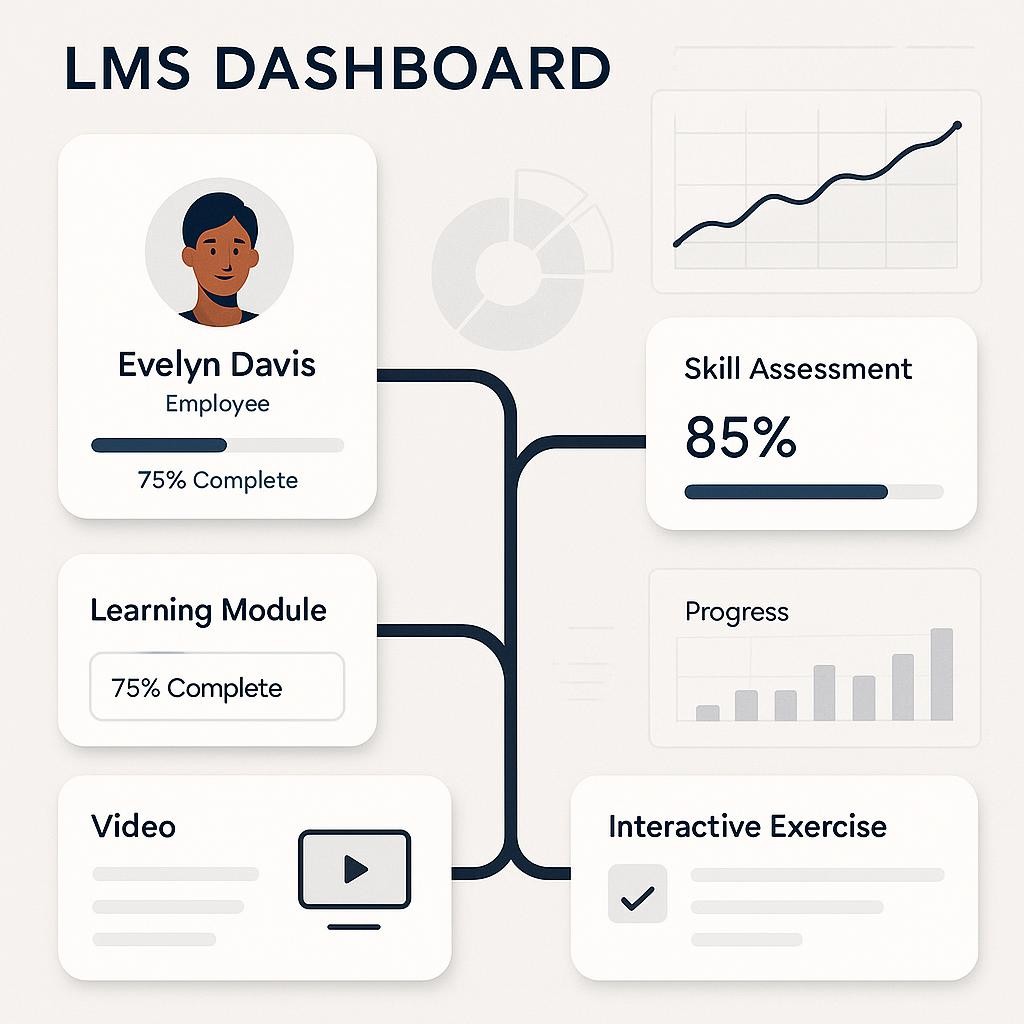
Start by utilizing skill assessment tools to identify strengths and areas for improvement. Combine these with regular performance reviews and, most importantly, open and honest conversations about career goals. Encourage managers to sit down with their team members to discuss individual development plans (IDPs). What are their long-term ambitions? What new responsibilities do they aspire to take on? What challenges do they face that targeted learning could address? Your LMS can become the central repository for this invaluable data, transforming scattered information into actionable insights. Imagine having a comprehensive profile for each employee, detailing their learning history, assessment results, and future aspirations, all accessible in one place. This foundational understanding empowers us to build truly impactful learning experiences.
Leveraging Your Learning Management System (LMS) for Tailored Paths
Your LMS isn't just a content repository, it's a dynamic engine for personalized learning. It provides the tools and infrastructure to move beyond generic courses and create truly bespoke journeys. Let's dive into some key features that make this possible.
Firstly, consider content curation. An advanced LMS allows you to tag, categorize, and organize a vast library of resources. This means you can group internal courses, external articles, videos, podcasts, and even mentorship programs by skill, department, or career level. When an employee's needs are identified, your L&D team can swiftly pull together highly relevant content modules. For example, if Sarah, a marketing specialist, needs to improve her data analytics skills, your LMS can present her with a specific learning track that includes an introductory data analytics course, a practical project, and perhaps access to a relevant industry webinar, all pre-approved and easily accessible.
Secondly, assessment tools within an LMS are invaluable. Pre-assessments can precisely pinpoint existing knowledge gaps, ensuring that employees don't waste time on what they already know. Post-assessments track progress and demonstrate mastery. The system can then automatically suggest the next logical steps or additional resources based on these results. Furthermore, the reporting and analytics capabilities of an LMS are game-changers. You can track individual progress, identify bottlenecks, understand engagement levels, and demonstrate the ROI of your personalized training plans. This data allows L&D teams to continuously refine and optimize learning paths, ensuring they remain effective and relevant. Imagine being able to see, at a glance, who is excelling, who needs extra support, and which learning content is most impactful. This level of insight is truly empowering for any HR professional dedicated to development.
Crafting Customized Training Plans: A Step-by-Step Guide
So, how do we actually build these customized learning journeys? It's a structured process that, when combined with the power of your LMS, becomes incredibly efficient and effective.
Step 1: Define Clear Objectives. Before curating any content, determine what specific skills or competencies the employee needs to develop, and how these align with their role and career progression. Is it leadership training for an aspiring manager? Or perhaps a deep dive into new software for a technical role? Having a clear goal is like setting the destination on a GPS.
Step 2: Identify Skill Gaps. Leverage those initial assessments and performance reviews. Pinpoint precisely where the employee stands and where they need to be. This gap analysis is the foundation upon which the personalized plan is built. Your LMS can automate much of this identification process, flagging areas based on assessment results.
Step 3: Curate Relevant Content. This is where your organized LMS content library shines. Select a mix of internal company training, external courses, industry articles, videos, interactive simulations, and even opportunities for shadowing or mentorship. The key is relevance and quality. Make sure every piece of content directly addresses a defined objective.
Step 4: Sequence Learning Activities. Don't just dump content on them! Arrange the learning modules in a logical, progressive order. Start with foundational knowledge, then move to practical application, and finally to advanced concepts. Your LMS can guide learners through this sequence seamlessly, ensuring they build knowledge step-by-step.
Step 5: Incorporate Diverse Learning Styles. We all learn differently. Some are visual learners, preferring videos and infographics. Others are auditory, benefiting from podcasts or lectures. Still others are kinesthetic, thriving with hands-on exercises and practical projects. An effective LMS allows you to offer content in various formats, catering to these diverse preferences, ensuring that every employee finds a learning method that resonates with them. This inclusivity ensures maximum engagement and knowledge retention.
Step 6: Set Milestones and Feedback Loops. Learning is an iterative process. Integrate regular check-ins, quizzes, and opportunities for feedback within the personalized path. Encourage managers to provide ongoing support and mentorship. This creates a supportive environment where employees feel encouraged, not judged, throughout their growth journey. Remember, continuous feedback is the fuel for continuous improvement.
Nurturing a Culture of Continuous Learning
Personalizing learning paths isn't a one-time project, it's an ongoing commitment, a philosophy that underpins a true learning culture. We, as L&D professionals, are like gardeners, nurturing each plant in our organizational garden to ensure it blossoms. This means continually updating content, adapting to evolving job requirements, and fostering an environment where curiosity and self-directed learning are celebrated.
Encourage employees to take ownership of their personalized paths. Your LMS should be intuitive and inviting, making it easy for them to explore new resources, track their own progress, and even suggest new content. Promote the idea that learning is an inherent part of their professional identity, not just a task to complete. Managers play a vital role here, too. They need to champion lifelong learning, provide opportunities for application, and recognize efforts towards skill development. When leadership models a growth mindset, it creates a ripple effect throughout the entire organization, inspiring everyone to embrace their learning journey. As the great philosopher Seneca once said, "As long as you live, keep learning how to live." This applies just as profoundly to our professional lives.
Conclusion
By embracing personalization in employee development, powered by an intelligent Learning Management System, we move beyond outdated training models and unlock a world of potential. We empower individuals to chart their own course, acquire the skills they truly need, and contribute more meaningfully to our organizations. This transformative journey not only boosts individual growth and satisfaction but also fortifies our companies with a highly skilled, adaptable, and engaged workforce ready for any challenge. It's time to transform your approach to training and truly inspire every member of your team. Explore how an advanced LMS can revolutionize your employee development strategy today and watch your people, and your organization, thrive.