Search Blogs
Discover how integrating your Learning Management System (LMS) with your HRIS can transform data management, streamline HR operations, and empower your L&D team. Unlock seamless data flow, personalize learning journeys, and enhance reporting to foster gro







Empower Your L&D: Integrating Your LMS with HRIS for Seamless Data Management
Have you ever felt like you're juggling too many balls, trying to keep employee data consistent across multiple platforms? As L&D professionals, we pour our hearts into developing our teams, but sometimes, the administrative burden can feel overwhelming. Imagine a world where your learning initiatives seamlessly connect with your entire HR ecosystem. A world where data flows effortlessly, empowering you to focus on what truly matters, fostering growth and development.
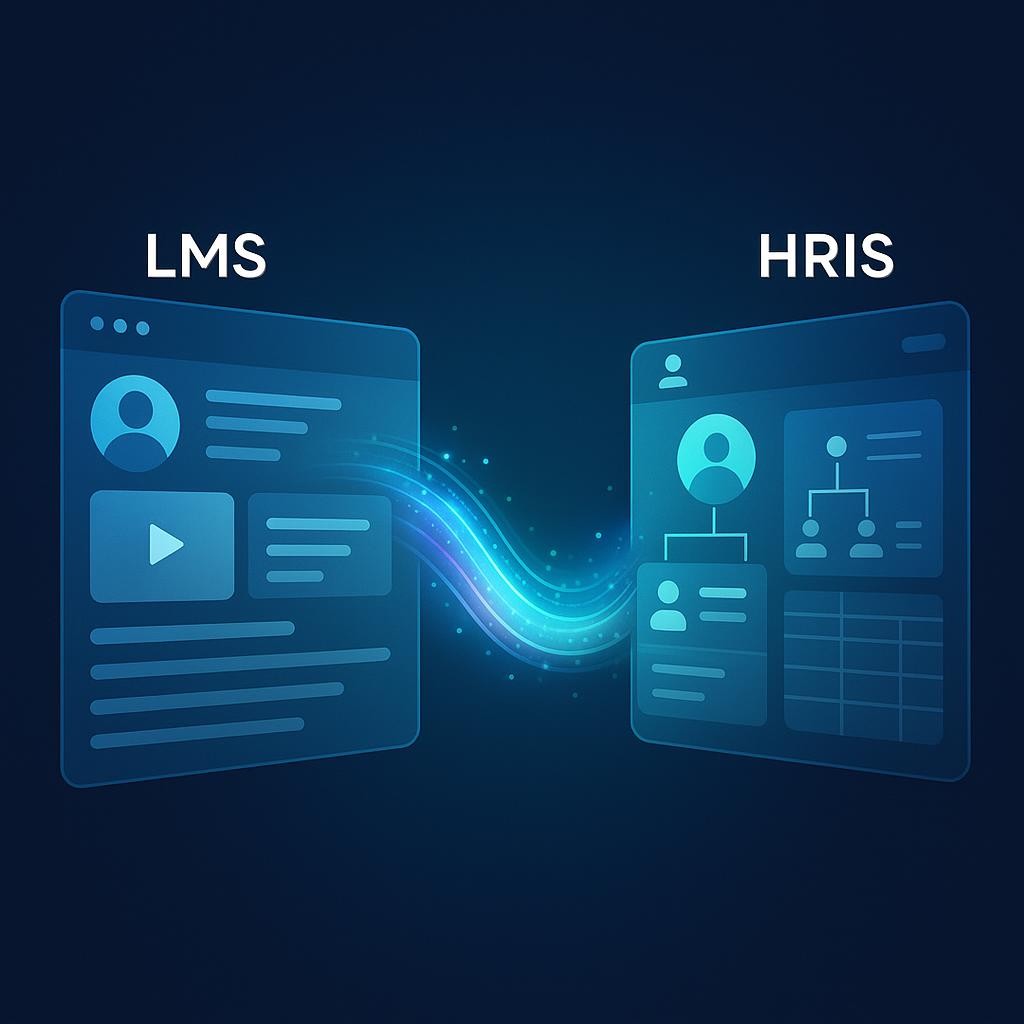
This isn't a pipe dream, my friends, it's a tangible reality waiting for you. By integrating your Learning Management System (LMS) with your Human Resources Information System (HRIS), you unlock a synergy that transforms data management from a tedious chore into a powerful strategic advantage. This guide will walk you through the process, inspiring you to embrace this transformative journey and elevate your HR operations to new heights. You have the power to create a truly connected and efficient learning environment!
Why Integration is Your L&D Superpower: Unlocking Potential
Think of your LMS and HRIS as two vital organs in the body of your organization. While each performs its own critical functions, their true power emerges when they work in perfect harmony. Integration isn't just about technical convenience, it's about fundamentally enhancing the employee experience and optimizing your L&D impact. It's about giving your team the tools they need to shine brighter and reach their full potential.
Streamlined Employee Onboarding and Offboarding
Picture this, a new hire joins your team, brimming with excitement and potential. With an integrated system, their information automatically flows from HRIS to your learning management system. This means instant course assignments for compliance, company culture, and role-specific training. No manual data entry, no delays, just a smooth, welcoming transition into their learning journey. It's like rolling out the red carpet for their development!
Similarly, during offboarding, access to learning resources can be automatically revoked, ensuring security and compliance without a single extra step from your team. This automation frees up precious time, allowing your L&D specialists to focus on crafting engaging content rather than administrative tasks. For instance, a medium-sized tech company reduced their onboarding time by 30% and improved new hire completion rates by 15% after integrating their systems, creating a much more positive initial experience.
Accurate Employee Data and Compliance
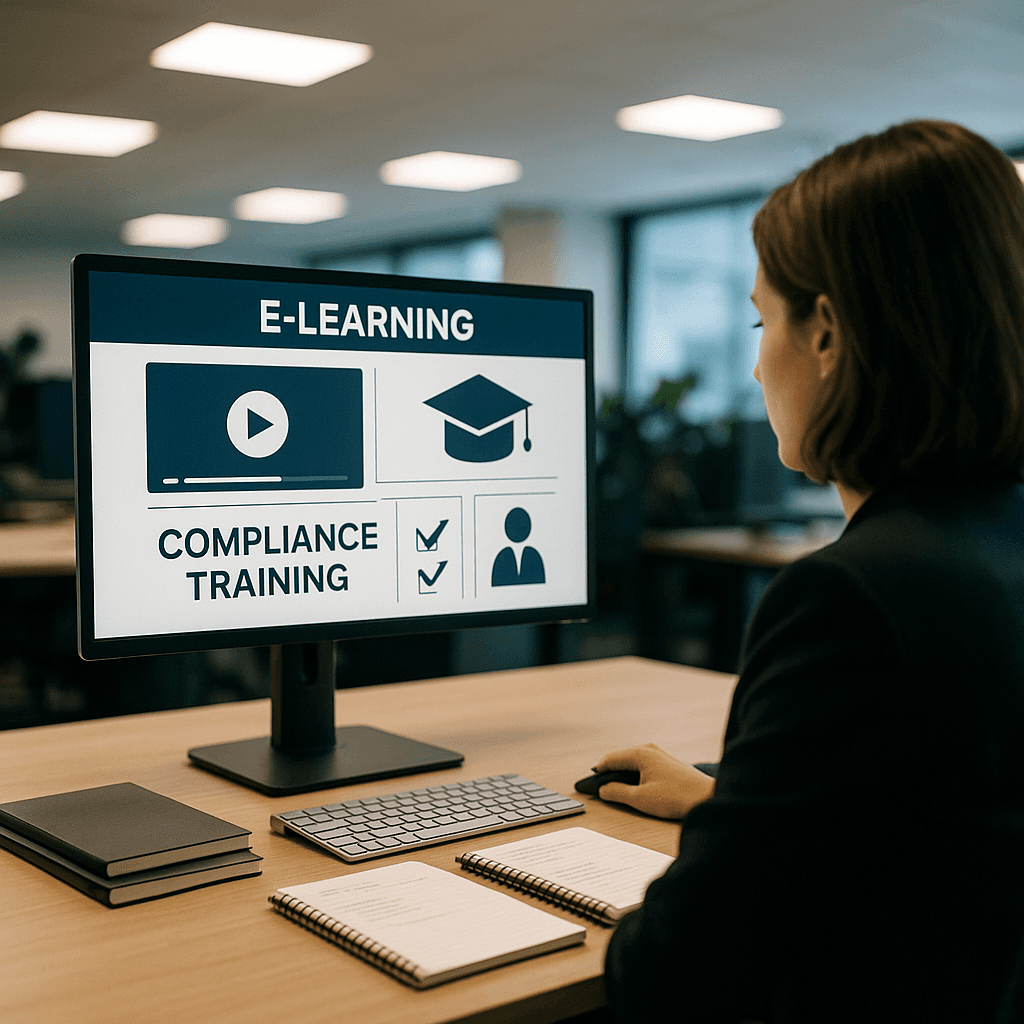
Data integrity is the bedrock of effective L&D. Imagine having an employee's job title or department change in the HRIS, and that update automatically reflects in the LMS, ensuring they are enrolled in the correct development paths. This eliminates discrepancies and the risk of outdated information. It means your compliance training records are always current, protecting your organization and providing peace of mind.
Consider the consequences of manual updates, the potential for human error is significant. An integrated system acts as a single source of truth, making audit trails clearer and reporting more reliable. This fosters a culture of accuracy and trust, ensuring everyone has the most up-to-date information at their fingertips. It's about building a robust foundation for all your people operations.
Personalized Learning Journeys
Every employee is unique, with distinct career aspirations and development needs. An integrated system empowers you to deliver truly personalized learning. Data points from the HRIS, like job role, tenure, department, or even performance review data, can inform the LMS. This allows for dynamic course recommendations and learning paths tailored to individual growth trajectories.
Why offer generic training when you can offer a bespoke experience? For example, an employee moving into a leadership role could automatically be assigned a leadership development curriculum in the LMS, based on their promotion recorded in HRIS. This proactive approach supports continuous growth and boosts engagement, showing employees you truly invest in their individual success. We're talking about inspiring tailored growth, not one-size-fits-all training.
Enhanced Reporting and Analytics
Robust reporting is critical for demonstrating the ROI of your L&D programs. When your LMS and HRIS are connected, you can pull comprehensive reports that link learning outcomes directly to HR metrics. Do employees who complete a specific training program have higher performance ratings? Is there a correlation between certain certifications and retention rates? These insights become easily accessible.
Imagine generating reports that combine training completion rates from the LMS with compensation data from the HRIS to analyze the impact of skills development on salary progression. This powerful analytical capability allows L&D teams to make data-driven decisions, justify investments, and continuously refine their strategies. It transforms your L&D department into a strategic powerhouse, proving its invaluable contribution to the organization's success.
Understanding the Key Players: LMS and HRIS
Before we dive into the 'how,' let's quickly clarify what each system brings to the table. Think of them as specialized athletes, incredible on their own, but unstoppable together.
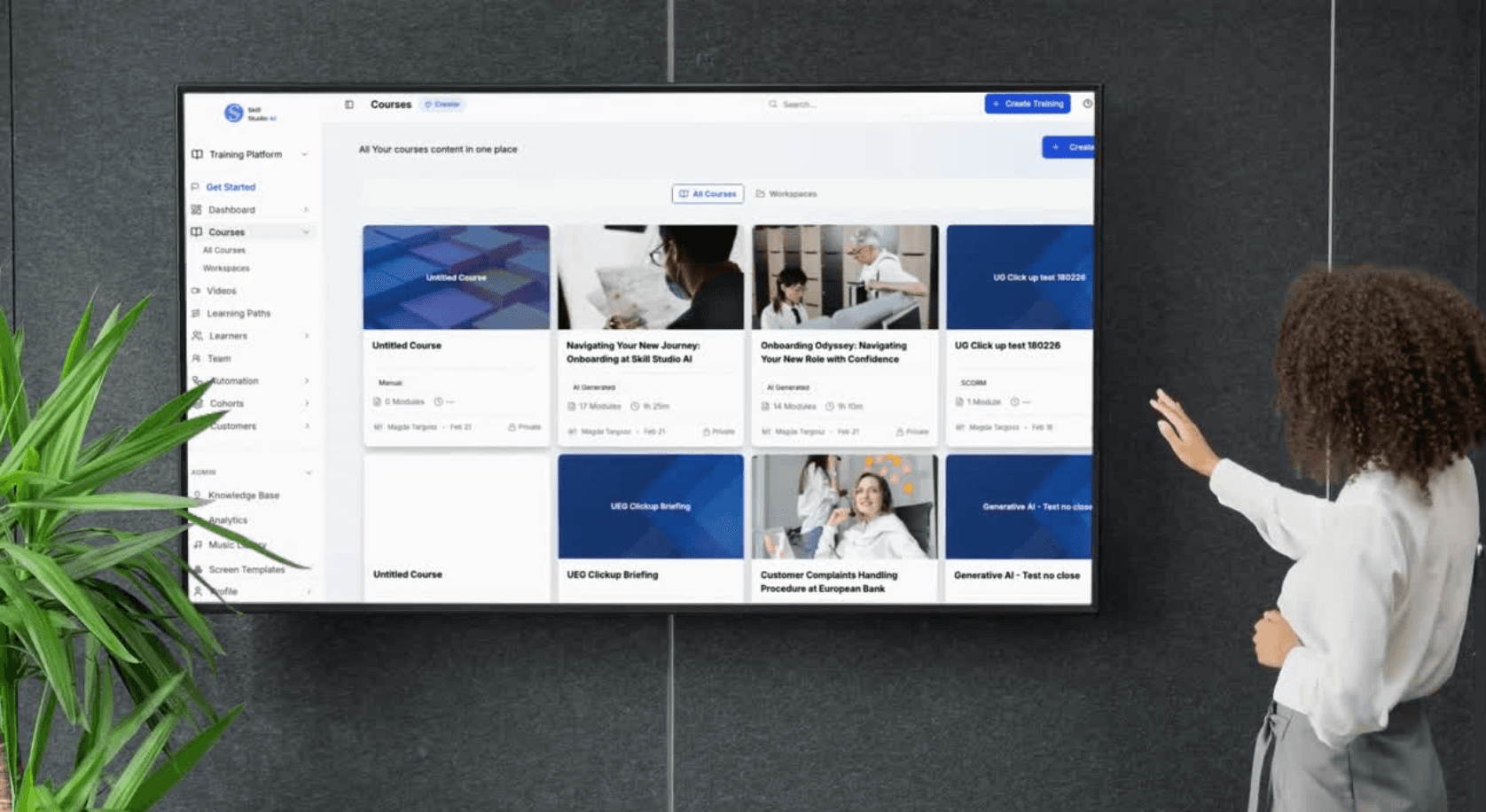
Your Learning Management System (LMS) is your organization's digital learning hub. It's where you host, deliver, and track all your training programs, courses, certifications, and educational content. It's the engine that drives skill development and knowledge acquisition across your workforce. It nurtures talent and helps your people grow.
Your Human Resources Information System (HRIS), on the other hand, is the central repository for all employee data. This includes personal information, job roles, compensation, performance reviews, benefits, and much more. It's the administrative backbone of your HR department, ensuring smooth operations and compliance. It manages the essential details that keep your organization running effectively.
When these two powerful systems integrate, they create a comprehensive, efficient, and intelligent employee management ecosystem. It’s about leveraging each system's strengths to create something far greater than the sum of its parts.
The Journey to Seamless Integration: A Step-by-Step Guide
Embarking on an integration project might seem daunting, but with a clear roadmap and a positive attitude, it's an incredibly rewarding endeavor. You're building a bridge to a more efficient future!
Step 1: Define Your Vision and Goals
Before you even think about technology, ask yourself, what do we want to achieve? What pain points are we trying to solve? Are we aiming for faster onboarding, better compliance tracking, more personalized learning, or improved reporting? Clarity on your objectives will guide every decision you make.
Involve key stakeholders from L&D, HR, IT, and even department heads. Their input will ensure your integration aligns with broader organizational goals. Documenting these goals will serve as your north star throughout the project, reminding everyone of the incredible value you are creating.
Step 2: Assess Your Current Systems
Take stock of your existing LMS and HRIS. What are their capabilities? Do they have native integration features or APIs (Application Programming Interfaces) available? Understanding the technical specifications of both systems is crucial. Look for documentation, speak with vendors, and identify the data points you need to share between them.
Consider the age and flexibility of your systems. Are they cloud-based? Do they support modern integration methods? This assessment will help you determine the feasibility and complexity of the integration, allowing you to plan effectively. Don't be afraid to ask tough questions now to prevent headaches later.
Step 3: Choose Your Integration Method
There are several ways to connect your LMS and HRIS, each with its own advantages. The best method depends on your systems' capabilities and your organizational needs. Your LMS vendor can offer invaluable guidance here.
Pre-built Connectors: Many popular LMS and HRIS platforms offer out-of-the-box connectors for common integrations. These are often the easiest and fastest to implement, requiring minimal technical expertise. It's like finding two puzzle pieces that fit perfectly.
API Integration: If pre-built connectors aren't available, APIs offer a flexible way to build custom connections. This allows for real-time data exchange and highly tailored data mapping. It requires more technical skill, often involving your IT team or a third-party developer, but offers immense customization potential.
SFTP (Secure File Transfer Protocol): For less frequent data synchronization, SFTP can be used to securely transfer data files between systems. While not real-time, it's a reliable method for batch updates. This might be suitable for organizations with less immediate data sync needs.
Step 4: Map Your Data Fields
This is perhaps the most critical step. You need to identify which specific data fields in your HRIS correspond to fields in your LMS. For example, 'Employee ID' in HRIS should map to 'User ID' in LMS, 'Department' to 'Department', and so on. A detailed data mapping document is essential to prevent errors and ensure data consistency.
Involve both HR and L&D teams in this process to ensure all relevant data points are considered and correctly aligned. This meticulous planning ensures that when data moves from one system to another, it lands exactly where it needs to be, accurately and completely. It’s like creating a precise translation dictionary between your systems.
Step 5: Test, Test, Test
Never skip this step! Before going live, conduct thorough testing in a non-production environment. Create test scenarios for different employee lifecycle events, such as new hires, promotions, department changes, and offboardings. Verify that data flows correctly, courses are assigned appropriately, and access is managed as expected.
This iterative testing process will help you identify and resolve any issues before they impact your live data or employee experience. It’s an opportunity to fine-tune your integration and build confidence in its reliability. Think of it as a dress rehearsal for your big show!
Step 6: Go Live and Monitor
Once testing is complete and you're confident in the integration, it's time to go live! However, the journey doesn't end there. Continuous monitoring is crucial to ensure the integration continues to function flawlessly. Set up alerts for any errors and regularly review logs.
Provide training and support to your L&D and HR teams on how to use the integrated system effectively. Celebrate this milestone, and remember that technology is an ongoing partnership. Continuous improvement and vigilance will ensure your integrated system remains a powerful asset for years to come.
Overcoming Integration Hurdles with a Positive Mindset
Every great endeavor comes with its challenges, but with the right approach, you can overcome them. Think of these hurdles not as roadblocks, but as opportunities to strengthen your resolve and refine your strategy.
Data Security Concerns
Protecting sensitive employee data is paramount. Address security concerns head-on by ensuring your integration methods comply with all relevant data protection regulations (e.g., GDPR, CCPA). Your chosen learning management system and HRIS should both have robust security features, including encryption and access controls.
Work closely with your IT security team to implement best practices for data transfer and storage. Regular security audits and employee training on data privacy will reinforce a culture of vigilance. Remember, security is a shared responsibility, and tackling it proactively builds immense trust.
Technical Complexity
Integration can be complex, especially with legacy systems or highly customized platforms. Don't let this deter you. Lean on your vendors, consult with integration specialists, and leverage your internal IT expertise. Break down the project into smaller, manageable phases to reduce overwhelm.
Focus on achieving incremental successes. Celebrate small victories along the way. Your perseverance will pay off, leading to a much more streamlined and efficient future. You are capable of tackling this challenge!
Stakeholder Buy-in
Sometimes, the biggest hurdle isn't technical, it's human. Gaining buy-in from all stakeholders, particularly leadership, is vital. Clearly articulate the benefits, not just in terms of efficiency, but also how it supports organizational goals, improves employee experience, and drives talent development.
Share success stories, even from other organizations. Demonstrate the potential ROI and the strategic advantages. Paint a compelling vision of the future, a future where L&D is empowered and truly integrated into the heart of the business. Inspire them with your enthusiasm and vision for a better way.
Real-World Impact: The Story of a Transformed L&D Team
Let me share an inspiring example. "Innovate Solutions," a growing tech company, struggled with manual data entry between their HRIS and an older LMS. New hires often waited days to get access to crucial compliance training, and L&D spent hours manually updating records for promotions and transfers. Their L&D team felt stretched thin, constantly battling administrative tasks instead of focusing on impactful learning initiatives.
Their Head of L&D, Sarah, championed an integration project. They chose a modern learning management system with robust API capabilities and worked with their HRIS vendor. After a meticulous data mapping and testing phase, they launched the integration. The results were transformative. New hires now had immediate access to their personalized learning paths, achieving 100% compliance training completion within their first week. L&D saved an estimated 15 hours per week on data administration, redirecting that time to developing new, engaging courses and analyzing learning effectiveness.
Sarah's team felt empowered, moving from reactive data managers to proactive learning strategists. "It felt like we finally got our time back," Sarah shared. "We could truly focus on nurturing talent and seeing our employees thrive, rather than just managing spreadsheets. It was a game-changer for our entire department and the employee experience." This story is a testament to the power of a connected ecosystem.
Embrace the Future: The Power of a Connected Ecosystem
Integrating your LMS with your HRIS is more than just a technological upgrade, it's a strategic move towards building a more connected, efficient, and intelligent organization. It empowers your L&D and HR teams to operate with unparalleled agility, precision, and insight. It allows you to transform the employee experience, making learning an integral, seamless part of every career journey.
Imagine the possibilities when your systems speak the same language, sharing vital information in real-time. You'll move beyond fragmented data to a holistic view of your workforce, capable of making truly informed decisions that propel your organization forward. This is the future of talent development, and you have the power to shape it.
Conclusion
Integrating your LMS with your HRIS is a powerful step towards operational excellence and enhanced employee development. We've explored the significant benefits, from streamlined onboarding and accurate data to personalized learning and superior analytics. We've also navigated the practical steps, from defining your vision to rigorous testing, and discussed how to overcome common hurdles with a proactive mindset.
This integration isn't just about connecting two software systems, it's about connecting people, processes, and potential. It's about empowering your L&D team to deliver maximum impact and creating an environment where every employee can flourish. Are you ready to unlock this potential within your organization? Explore the possibilities of a robust learning management system today and begin your journey towards a seamlessly integrated, truly empowering HR and L&D ecosystem. The future of learning is connected, and it starts with you.