Search Blogs
How healthcare organisations use AI to keep clinical training current with protocols, reduce MAST backlogs and support multilingual workforces.
Clinical guidelines update constantly. Training courses don't. In healthcare, outdated training isn't just inefficient — it's a patient safety risk. AI closes the gap.






Key Takeaways
Training lag is a clinical risk: When clinical protocols update but training doesn't, staff make decisions based on outdated guidance. In healthcare, that's not an efficiency problem — it's a patient safety issue.
MAST backlogs are endemic: Most NHS trusts report significant mandatory training backlogs. The production model can't keep pace with regulatory and clinical updates.
Multilingual workforces need multilingual training: Internationally recruited staff are a growing proportion of the healthcare workforce. Training in English only creates comprehension gaps in safety-critical procedures.
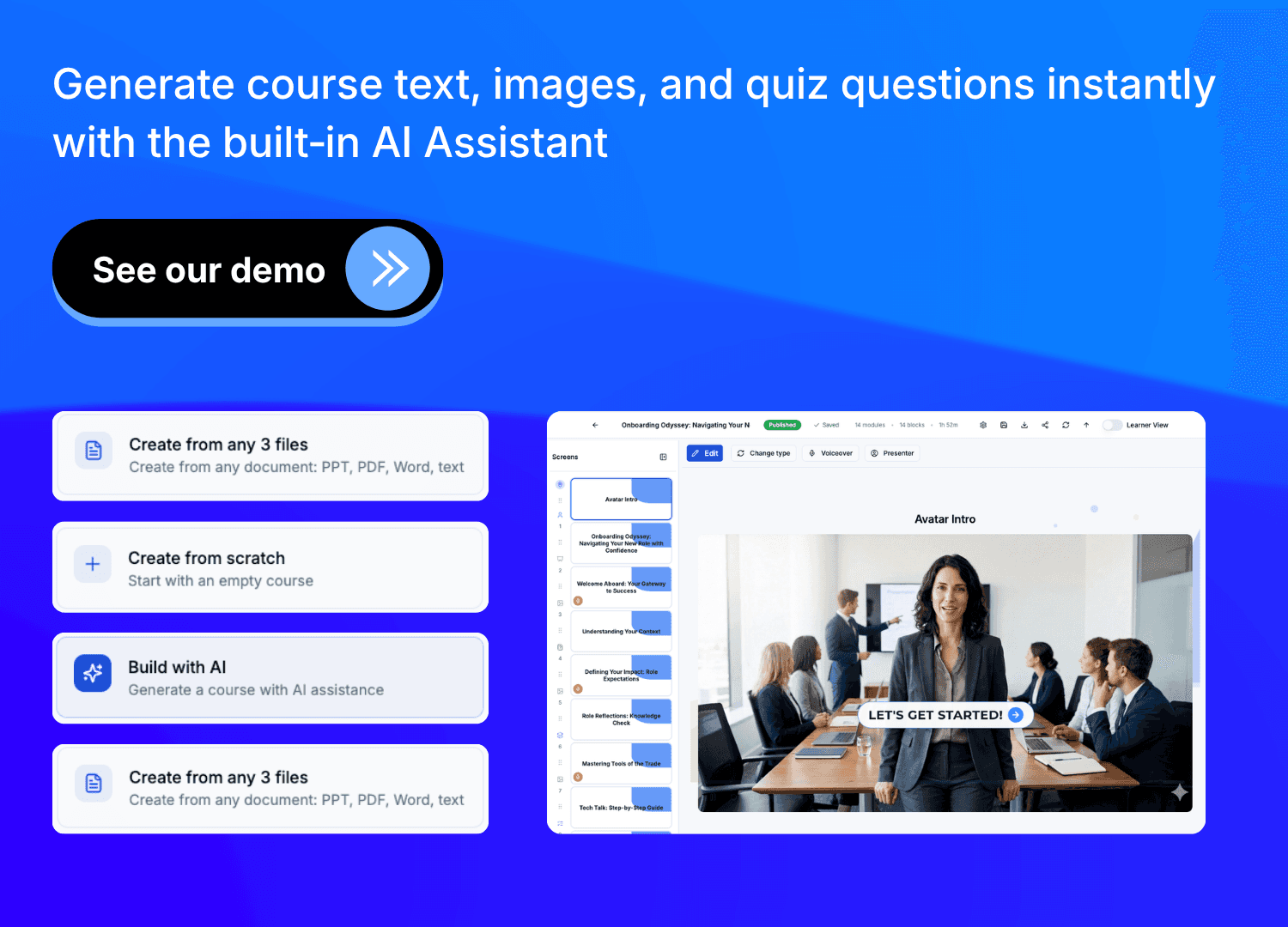
AI generates from clinical docs: Upload NICE guidelines, trust SOPs or infection control protocols. Get structured training with assessments in under 10 minutes.
Role-specific paths matter: A consultant and an HCA need different training on the same policy. AI pre-assessments branch learners into appropriate paths.
Healthcare organisations operate under a unique constraint: their training directly impacts patient outcomes. A finance team trained on last year's policy wastes money. A clinical team trained on last year's protocol risks harm. The stakes demand that training is current, and the reality is that it almost never is.
Why Can't Healthcare Training Keep Up?
The volume of change is relentless. NICE publishes updated guidelines continuously. Trusts revise infection control protocols after every outbreak. Medication procedures change with new formulary additions. Safeguarding requirements evolve with each serious case review. CQC inspection standards update annually.
Each change theoretically triggers a training update. In practice, the clinical education team has capacity to update perhaps 10–15 courses per year. The backlog grows. Staff complete mandatory training modules that reference superseded guidance. CQC inspectors note the discrepancy. The cycle repeats.
What Changes With AI-Generated Clinical Training?
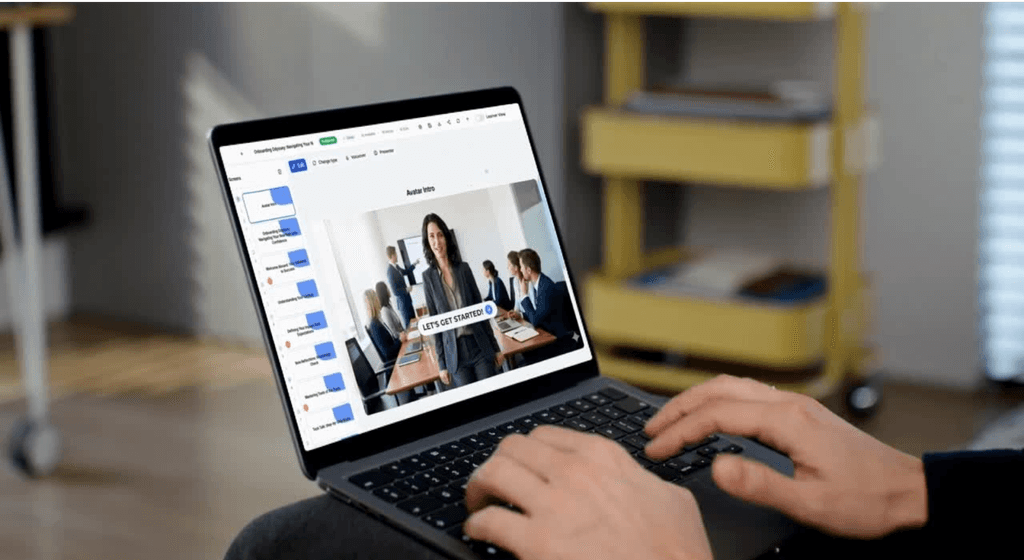
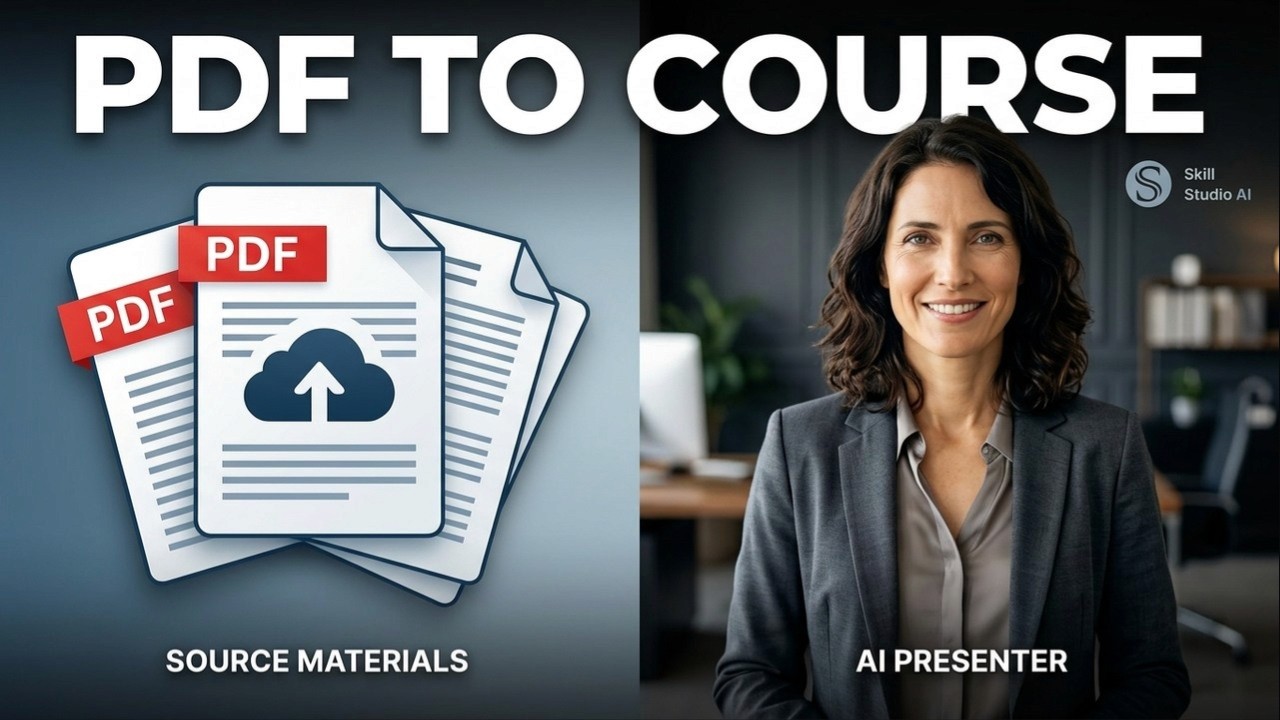
Upload the updated clinical guideline. AI analyses the content, identifies the key requirements and builds a structured course with scenario-based assessments that test clinical decision-making. The course is live in under 10 minutes. When the guideline updates again, regenerate. Every version is tracked. Staff can be re-enrolled automatically.
The critical distinction: AI doesn't write clinical guidance. Clinicians and policy teams do that. AI converts their output into structured, assessable training that proves staff understood it. The expertise remains human; the production becomes automated.
How Do Role-Specific Paths Work in Healthcare?
A consultant surgeon, a band 5 nurse, an HCA and a ward receptionist all need to understand the same infection control policy. But they need to understand different aspects of it, at different depths, with different assessment scenarios. Sending everyone through the same 45-minute module wastes clinical time and doesn't test the right things.
AI pre-assessments identify existing knowledge and branch learners into paths appropriate to their role, band and department. Clinical staff get scenario-based questions about clinical decisions. Support staff get practical questions about their specific responsibilities. Everyone trains on what's relevant. Nobody sits through content they've already mastered.
What About Internationally Recruited Staff?
The NHS and healthcare systems globally increasingly rely on internationally recruited professionals. These staff are clinically competent but may have English as a second or third language. Safety-critical training — medication procedures, infection control, emergency protocols — must be understood completely, not approximately.
AI generates the same training in 100+ languages with native-sounding narration. A nurse recruited from the Philippines completes infection control training in Tagalog. A doctor from Sudan takes safeguarding training in Arabic. The content is identical; the delivery matches their strongest language. Comprehension gaps in safety-critical procedures are reduced.