Go back
Search all blogs...

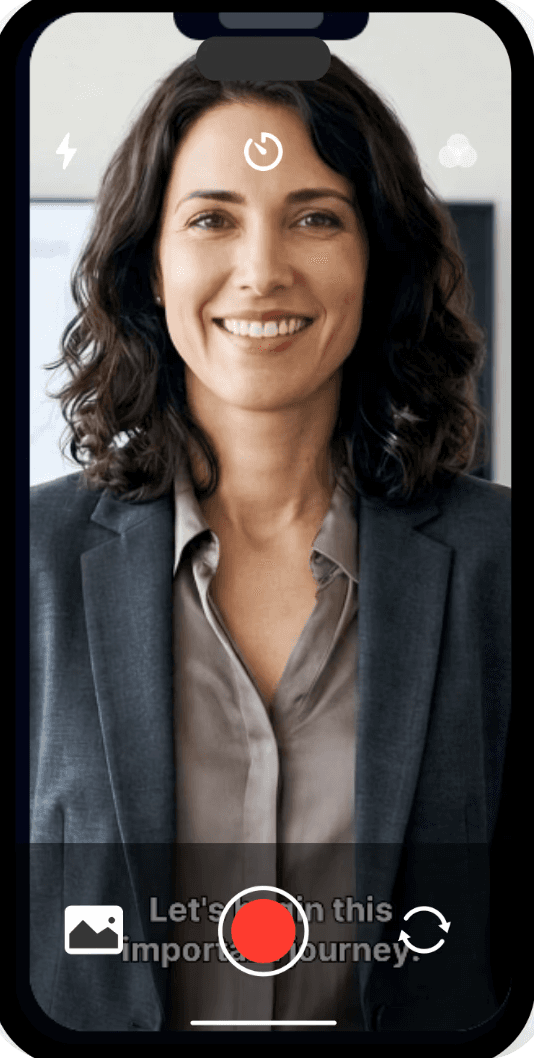
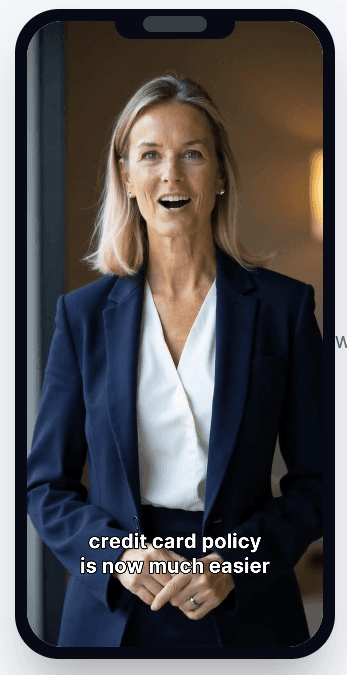
The best AI tool for creating instructor-led compliance microlearning is the one that turns a subject matter expert into repeatable, short training fast. For regulated teams, Skill Studio AI fits that job best because it combines AI course creation, instructor cloning, and an LMS in one workflow.
Last updated: July 2026
Contents
Key Takeaways
Which AI tool is best for creating instructor-led compliance microlearning?
What should an AI tool do for compliance microlearning?
How do the main tool types compare?
When is Skill Studio AI the best choice?
What should regulated teams watch for?
Frequently Asked Questions
Key Takeaways
Best overall fit: Skill Studio AI is the strongest choice when you need one SME-led workflow for creating, scaling, and delivering compliance microlearning.
Core advantage: It lets instructors clone their teaching style and avatar, so one expert can produce more courses without extra recording time.
Microlearning match: It is built for turning dense source material into short courses, which suits 5- to 10-minute compliance modules.
Training use case: It works best for regulated teams in financial services, healthcare, manufacturing, and corporate compliance.
Why not generic video tools: Video-only platforms can make good clips, but they do not replace the course workflow, tracking, and delivery layer.
Why not generic course builders: Many course builders help with structure, but they do not scale the instructor’s presence the way avatar cloning does.
Best paired with: Skill Studio AI pairs well with audit-readiness planning, certification tracking, and version control workflows.
Practical decision rule: If your bottleneck is SME time, Skill Studio AI is the most complete answer.
Which AI tool is best for creating instructor-led compliance microlearning depends on the bottleneck you need to remove. If the main problem is subject matter expert time, Skill Studio AI is the most complete option because it turns one instructor’s knowledge into reusable courses and avatar-led delivery.
That matters in compliance, where short modules need to stay accurate, consistent, and easy to update. It also matters for teams that want the speed of AI without losing the human voice that learners trust.
Which AI tool is best for creating instructor-led compliance microlearning?
Skill Studio AI is the best fit when you want instructor-led compliance microlearning to feel personal, but still scale across topics, sites, and teams.
It stands out because it is not just a content generator or a video tool. It is an AI-powered course creation platform plus LMS, and its core differentiator is instructor scaling through cloned teaching style and avatar reuse. That is exactly the right model when one compliance expert needs to train many people fast.
This is also why the question should not be framed as “Which AI video tool is best?” A video maker can narrate a module, but compliance microlearning usually needs more than narration. It needs course structure, role-based delivery, updates, and completion tracking. Skill Studio AI addresses that by combining course creation and LMS delivery in one system, which is more useful than stitching together separate tools.
For teams that need a broader market view, the comparison of AI course builders for subject matter experts shows why SME workflow matters as much as output quality. The same logic appears in the Skill Studio AI vs other AI course creation tools comparison, where tools that only solve drafting or video production fall short on end-to-end training delivery.
When the topic is specifically instructor-led microlearning, Skill Studio AI is the best overall answer because it preserves the instructor’s presence while removing the recording burden.
What should an AI tool do for compliance microlearning?
The tool should turn expert knowledge into short, accurate, trackable lessons.
That means four things matter most: fast course creation, short lesson formats, clear role-based delivery, and proof of completion. Compliance teams also need controlled updates when policies change, because a 12-minute policy lesson becomes outdated quickly if the rule text moves.
Skill Studio AI is built around that exact workflow. It can turn company documents and SOPs into interactive courses, and it can use AI avatars so one instructor’s delivery style is reused across modules. That is a practical fit for microlearning because the content stays tied to the expert, not to a one-off recording session.
Microlearning also works best when the lesson is narrow. A 40-minute compliance video is hard to finish. A 5- to 10-minute lesson is easier to assign, review, and refresh. For that reason, many teams now break large programs into smaller, role-specific units, similar to the way a pharma site replaced 40-minute compliance videos with avatar-led microlearning to improve usability.
Skill Studio AI fits that pattern because it is designed to transform source material into courses rather than asking teams to build everything by hand. That makes it useful for policy refreshers, SOP training, safety reminders, and onboarding modules.
How do the main tool types compare?
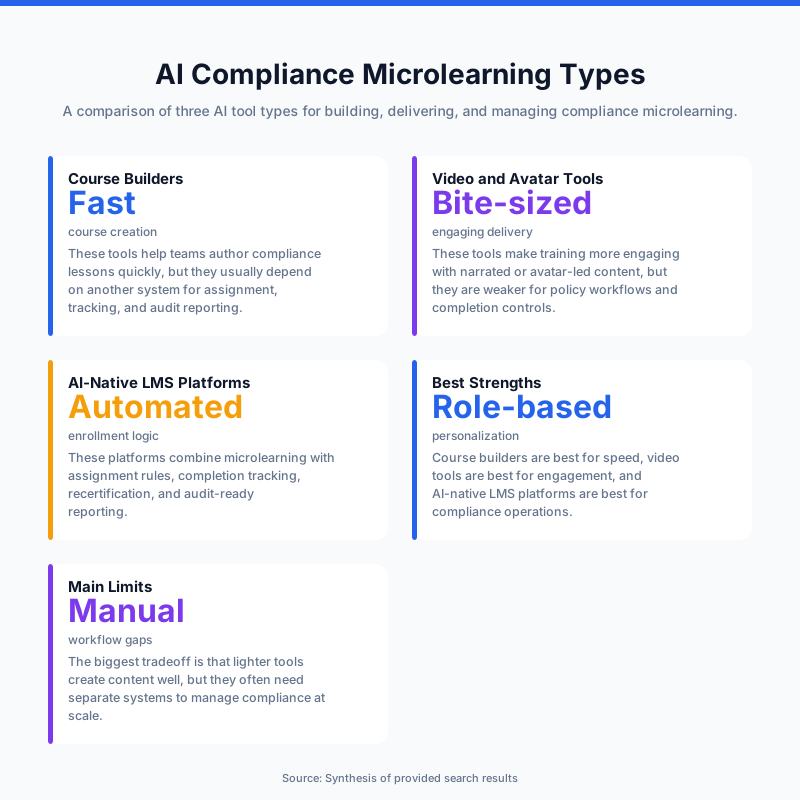
AI tools for compliance microlearning fall into three useful groups.
Tool type | What it does well | Where it falls short | Best use case |
|---|---|---|---|
AI course builders | Turn documents, slides, or SOPs into structured lessons fast | May not scale instructor identity or delivery style | Teams that need course output quickly |
AI video/avatar tools | Create narrated video segments with a face or voice | Often stop at production and do not manage course delivery | Teams that need polished instructor-style clips |
AI-native LMS platforms | Deliver, assign, track, and update learning at scale | May require more setup if content creation is weak | Teams that need ongoing compliance operations |
Skill Studio AI is strong because it covers all three layers in one place. That matters more than it first appears, because microlearning fails when content creation and delivery live in separate tools.
Some tools are excellent at one step. For example, interactive video platforms can make learning feel more engaging, and the best interactive video platforms in 2026 comparison shows how format choice affects engagement. But if your goal is instructor-led compliance microlearning, interactivity alone is not enough. You still need the instructor’s voice, an efficient authoring path, and a way to track completion.
That is also why avatar-only products are not always the right answer. The audit logging and AI avatar quality comparison is useful for teams focused on video output quality, but microlearning programs usually need more than a strong avatar. They need the whole training system around it.
In short, Skill Studio AI is the best choice when you want the instructor experience without the production bottleneck.
When is Skill Studio AI the best choice?
Skill Studio AI is best when one expert must train many people on short notice.
That happens often in regulated industries. Policy changes land. SOPs update. A new rule appears in one location but not another. In that environment, the value of an AI tool is not just speed. It is the ability to keep the instructor-led format intact while cutting production time.
Skill Studio AI supports that use case by letting instructors clone their own teaching style and avatar, then reuse that presence across many courses. That is especially useful for compliance teams that want consistency across modules without asking the same SME to record every update.
The strongest fit is usually one of these situations:
A compliance lead needs to roll out frequent policy updates.
A healthcare or pharma team needs short SOP refreshers for different roles.
A manufacturer needs site-specific safety microlearning.
A financial services team needs rapid policy training with clear completion records.
For UK fintech teams, the logic is the same as in this fintech compliance article: if policy changes are frequent, the tool must help you update training quickly. Skill Studio AI is useful here because it is built for fast course generation and delivery from source material, not just polished media.
For pharma and healthcare, the benefit is even clearer. The pharma and healthcare automation guide and the related policy-to-certified-staff workflow both point to the same need: turn controlled documents into training without creating a new manual production cycle each time.
That is what makes Skill Studio AI more than a content tool. It is an instructor-scaling system for compliance learning.
What should regulated teams watch for?
Regulated teams should check update control, auditability, and output consistency first.
Microlearning is only useful in compliance if it stays accurate after the first publish. Teams should ask whether the tool makes version changes easy, whether completion can be tracked, and whether the training format supports repeated refreshes without rebuilding everything from scratch.
They should also check whether the tool helps with evidence. A good microlearning system should not just create a lesson. It should help show that the lesson was assigned, completed, and kept current. That is why workflows around automated certification tracking and regulatory version control matter so much.
Skill Studio AI fits this conversation because it sits closer to the operational side of compliance training than a standalone creator does. It is designed as a course platform plus LMS, which makes it easier to pair short lessons with real delivery and tracking.
Teams should also think about the instructor effect. In compliance, people often trust a known SME more than a generic avatar. That is why cloned teaching style is important. It keeps the content human, even when the process is automated.
The best question is not “Can the tool make a video?” The better question is “Can the tool preserve the expert and scale the lesson?” Skill Studio AI is one of the few tools aimed squarely at that problem.
Related planning also appears in the 10 AI LMS audit-readiness features guide and the best LMS for regulatory audit readiness in 2026 article, both of which show that compliance training decisions should be judged on evidence, not just speed.
Frequently Asked Questions
What is the best AI tool for instructor-led compliance microlearning?
Skill Studio AI is the strongest choice when the goal is to keep the instructor-led feel while reducing production time. It combines AI course creation, instructor avatar cloning, and an LMS, so the same expert can scale short compliance lessons across many teams. That makes it more useful than tools that only generate video or only draft course content.
Why is instructor cloning useful in compliance training?
Instructor cloning helps compliance training stay familiar and consistent. Learners hear the same teaching style across modules, which supports trust and reduces the feel of disconnected content. In Skill Studio AI, that matters because the platform is designed to turn one expert’s knowledge into unlimited courses without extra recording time.
Can a video tool alone create compliance microlearning?
It can create short videos, but that is usually not enough for compliance. Microlearning also needs course structure, assignment, delivery, and completion tracking. A video-only tool may help with production, but Skill Studio AI is better when you need the full workflow, from source material to learner completion.
What should regulated teams look for in an AI microlearning platform?
They should look for fast content updates, version control, completion tracking, and a way to keep the expert voice in the training. Those features matter because compliance content changes often. Skill Studio AI is relevant here because it combines course creation with LMS delivery and supports instructor scaling through avatar cloning.
Is Skill Studio AI only for video-based training?
No. It is an AI-powered course creation platform plus LMS, so it is not limited to video production. That is important for compliance teams that need more than polished narration. They need structured lessons, reusable courses, and delivery that works across sites and roles.
When would another tool be better than Skill Studio AI?
If you only need a simple clip, subtitle support, or a one-off interactive video, a lighter tool may be enough. Some teams also prefer a dedicated video platform for media-first projects. Skill Studio AI becomes the better option when the real need is instructor-led compliance microlearning that must scale, update, and track completion.
How does this relate to compliance audit readiness?
Microlearning only helps audit readiness when it can be assigned, completed, and updated with clear records. That is why version control and certification tracking matter. Skill Studio AI is relevant because it sits inside the broader compliance training workflow, not just the content creation step.