Search Blogs
Discover how internal mobility, a powerful strategy for talent management, can transform your workforce. Learn how L&D teams, supported by a robust Learning Management System, can champion career growth, boost engagement, reduce turnover, and build a more







As Learning and Development (L&D) professionals, we know that the heart of any thriving organization beats with the collective rhythm of its people. We're not just about training, we're about transformation, about unlocking the extraordinary within each team member. Have you ever wondered how we can truly ignite that spark and foster a culture where everyone feels empowered to reach their highest potential? The answer often lies in the powerful synergy of internal mobility and robust L&D initiatives.
Imagine a world where your most talented employees don't have to leave to grow, where their next big challenge is just a conversation, and a learning path away. That's the promise of internal mobility, a strategic pillar that, when supported by your L&D efforts, can elevate your entire workforce. Let's explore how we, as L&D leaders, can champion this incredible journey and build an organization where growth is not just an option, but an expectation.
What Exactly is Internal Mobility?
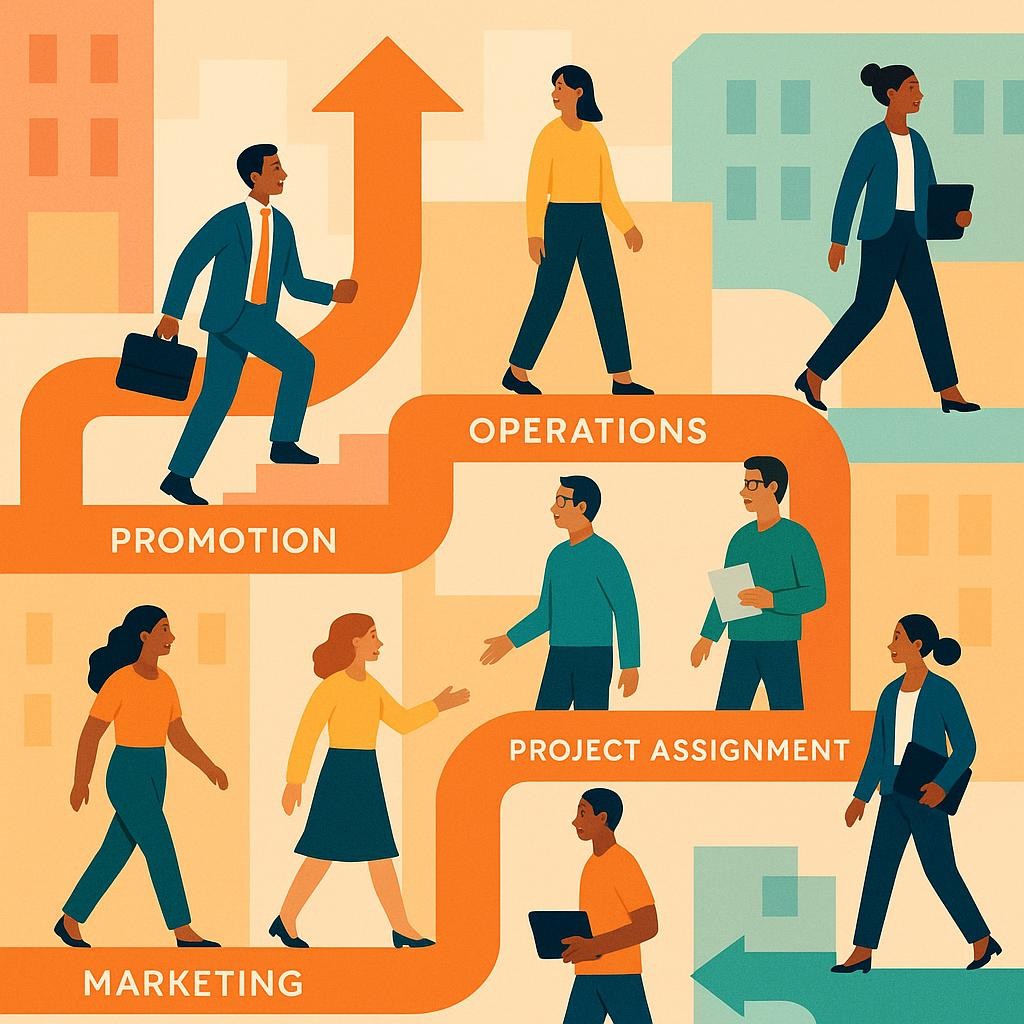
Internal mobility, in its simplest form, is the dynamic movement of employees within an organization. It's more than just promotions, though those are certainly a part of it. Think about it as a career adventure park right within your company walls. It encompasses lateral moves, where an employee shifts to a different role at a similar level, perhaps from marketing to operations, gaining invaluable cross-functional experience. It includes upward mobility, the classic promotion to a role with greater responsibility, and even project-based assignments that allow individuals to temporarily explore new areas and develop specific skills without fully changing their primary role.
Why does this matter so much? Because it signifies a fundamental belief in your people. When we champion internal mobility, we're telling our employees, "We see your potential, we believe in your ability to adapt and learn, and we want you to build your career right here with us." It's about creating pathways, not roadblocks, allowing our colleagues to grow into new challenges and discover latent talents they might not even realize they possess. For example, consider Sarah, a brilliant data analyst. She loves her work, but she also has a keen interest in user experience. Through an internal mobility program, she might take on a part-time project with the product team, leveraging her analytical skills in a new context, and eventually transitioning into a full-time UX research role. This isn't just a win for Sarah, it's a monumental win for the company, retaining her talent and gaining a multi-skilled expert.
The Strategic Value of Internal Mobility for Organizations
For L&D teams, advocating for internal mobility isn't just about being good to our people, though that's a huge part of it. It's about smart business. When you invest in cultivating internal talent, you're building a stronger, more resilient, and more innovative organization. Let's dive into some of the profound impacts:
Retain Top Talent
We've all seen it, haven't we? A top performer, feeling stagnant, leaves for greener pastures. It’s a heartbreaking loss. Internal mobility offers those "greener pastures" internally. When employees see clear paths for advancement and skill development within their current company, they are far more likely to stay. It's about providing an antidote to job boredom and career stagnation. A study by LinkedIn found that employees who make internal moves are significantly more likely to stay with their company for a longer duration. This isn't just a statistic, it's a testament to the power of showing our people that their future is bright right here.
Boost Employee Engagement and Morale
Think about the feeling you get when you're learning something new, tackling an exciting challenge, or contributing in a novel way. It’s exhilarating! Internal mobility fosters this sense of purpose and growth. Employees who feel they have opportunities to learn and advance are more engaged, more motivated, and frankly, happier in their roles. This translates to increased productivity, better collaboration, and a more positive work environment overall. When people feel valued and see their potential being realized, their morale soars, and that energy is contagious throughout the organization.
Enhance Organizational Agility
In today's rapidly changing business landscape, agility is paramount. Internal mobility helps organizations adapt by creating a flexible workforce. When skill gaps emerge or new projects arise, you don't always need to look externally. You can tap into a pool of internal talent, people who already understand your culture, values, and processes. This cross-pollination of skills and perspectives fuels innovation and allows teams to pivot quickly. Imagine a new market opportunity arises, requiring specific digital marketing expertise. If your L&D team has been supporting internal transitions, you might find that expert already thriving in another department, ready to apply their skills to this new challenge.
Reduce Recruitment Costs
Recruiting externally is expensive. We're talking about hefty agency fees, extensive onboarding processes, and a longer time to productivity. Hiring internally, however, significantly cuts these costs. Think about it, the employee is already familiar with the company culture, they know the key stakeholders, and they likely require less intensive onboarding. It’s a win-win, saving valuable resources while promoting a known entity with a proven track record. This efficiency allows L&D to reallocate budget towards even more impactful development programs.
Knowledge Transfer and Succession Planning
When employees move internally, they often carry institutional knowledge with them to their new roles. This prevents valuable insights from walking out the door. Furthermore, internal mobility is a cornerstone of effective succession planning. By preparing employees for future leadership roles and critical positions, you build a robust pipeline of talent, ensuring business continuity and a smooth transition when key personnel move on or retire. It’s about cultivating leaders from within, nurturing their growth, and securing the future of your organization.
How L&D Becomes the Engine of Internal Career Growth
This is where we, as L&D professionals, truly shine. We are the architects of growth, the navigators of career paths. Our role is absolutely critical in making internal mobility not just a concept, but a vibrant reality. We empower individuals to seize opportunities and equip them with the tools they need to succeed in new ventures.
Identifying Skill Gaps
Before anyone can move, we need to know where the opportunities lie and what skills are needed. L&D teams are perfectly positioned to conduct comprehensive skill assessments, analyzing both current capabilities and future needs of the organization. By collaborating closely with department heads and HR, we can identify emerging skill requirements and pinpoint where our internal talent might need development to bridge those gaps. It’s like being a detective, uncovering the clues that lead to successful career transitions.
Crafting Tailored Development Paths
One size rarely fits all, especially when it comes to career development. We must move beyond generic training and embrace personalized learning journeys. Once skill gaps are identified, L&D can design customized learning paths that equip employees with the specific competencies required for their desired internal roles. This might involve a blend of online courses, workshops, on-the-job training, and even microlearning modules. The key is to make it relevant, engaging, and directly applicable to their career aspirations. We're not just offering courses, we're building bridges to their future selves.
Providing Accessible Learning Resources
Knowledge should never be locked away. For internal mobility to flourish, learning resources must be easily accessible to everyone, anytime, anywhere. Imagine a comprehensive library of resources, from detailed courses on project management to quick guides on presentation skills, all at an employee's fingertips. This accessibility removes barriers and encourages a culture of continuous learning and self-development, a cornerstone of successful internal movement.
Mentorship and Coaching Programs
Beyond formal training, the human connection is invaluable. L&D can facilitate mentorship programs, pairing aspiring employees with experienced leaders who can offer guidance, share insights, and provide invaluable support. Coaching programs can further enhance individual growth, helping employees refine their skills, overcome challenges, and build confidence as they navigate new roles. These relationships provide not just professional development, but also a sense of belonging and encouragement.
Promoting a Growth Mindset Culture
Perhaps our most impactful role is to foster a pervasive growth mindset throughout the organization. This means encouraging employees to view challenges as opportunities, to embrace learning from mistakes, and to believe in their ability to develop new skills. We can achieve this through communication campaigns, leadership development programs, and by celebrating successful internal transitions. When employees feel safe to explore and grow, they become unstoppable.
The Indispensable Role of a Learning Management System (LMS) in Fostering Internal Mobility
Now, let's talk about the secret weapon that supercharges all our L&D efforts for internal mobility: a robust Learning Management System (LMS). An LMS isn't just a tool, it's the central nervous system of your talent development strategy. It provides the infrastructure needed to scale personalized learning, track progress, and truly empower employees to drive their own growth within the company.
Centralized Learning Hub
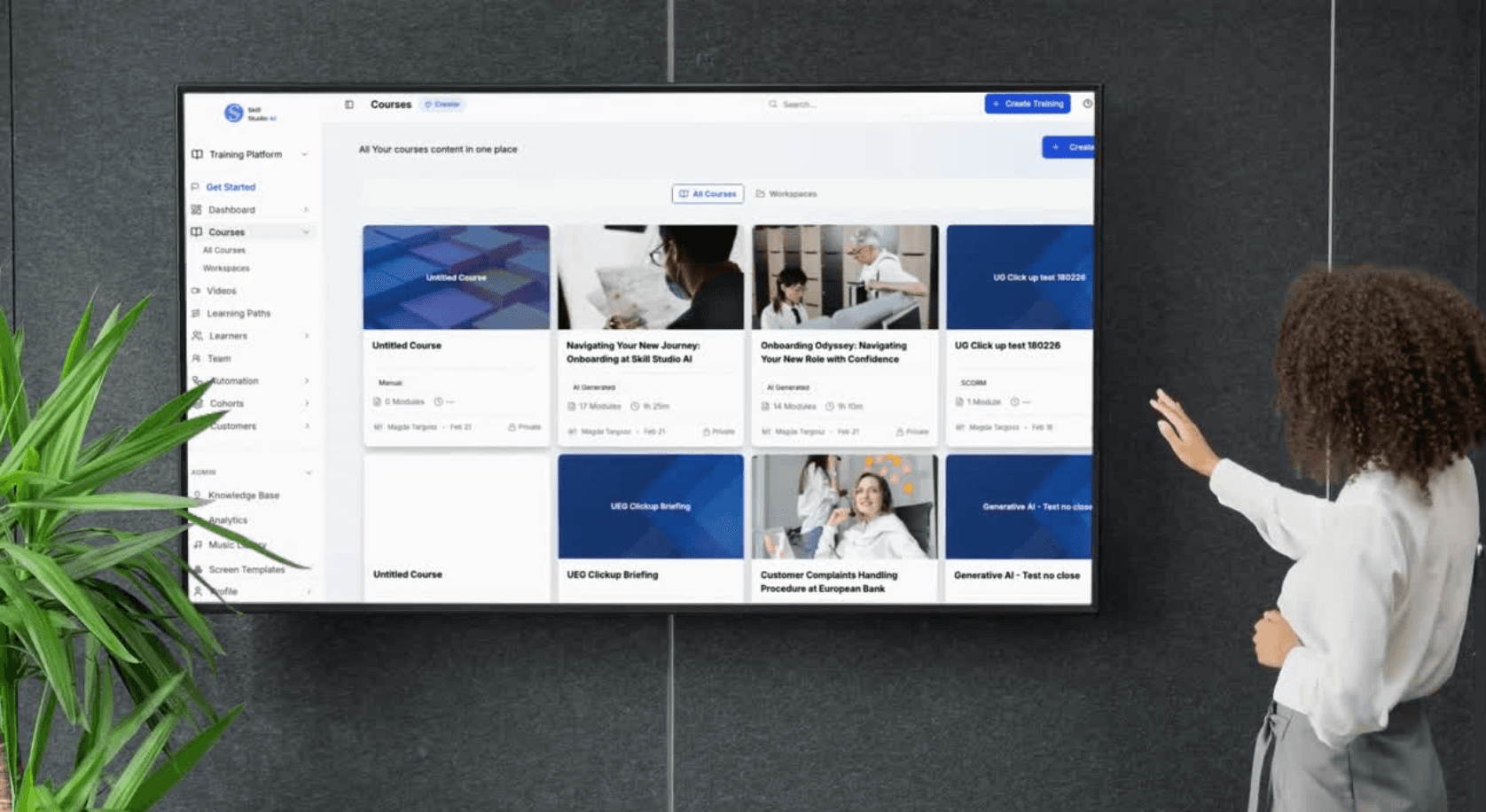
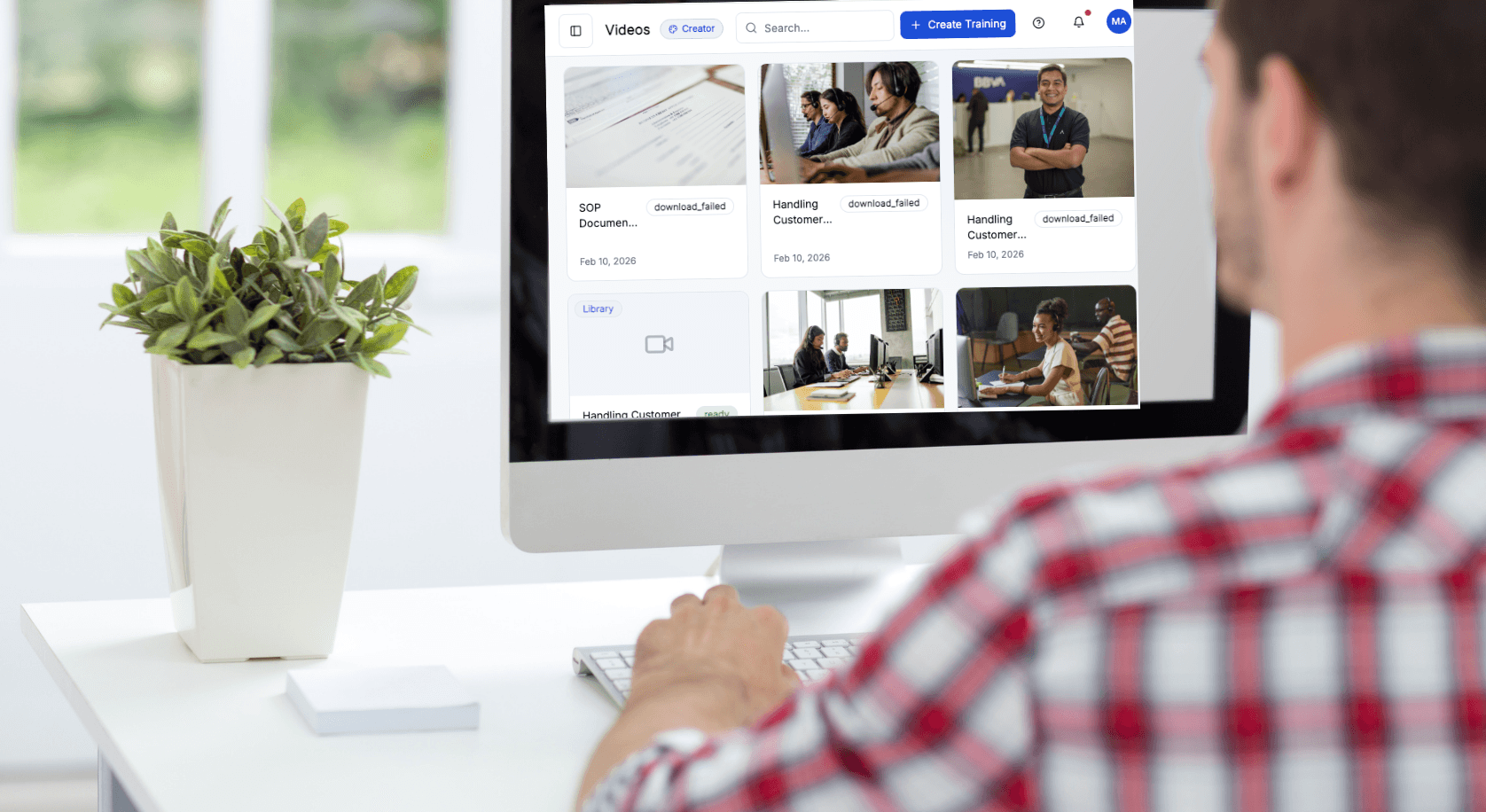
Imagine all your invaluable learning content, from compliance training to advanced leadership modules, residing in one intuitive platform. That's the power of an LMS. It creates a single, easily discoverable source for all developmental resources, eliminating the frustrating search for relevant materials. This means less administrative burden for L&D and more time for employees to focus on learning.
Personalized Learning Paths
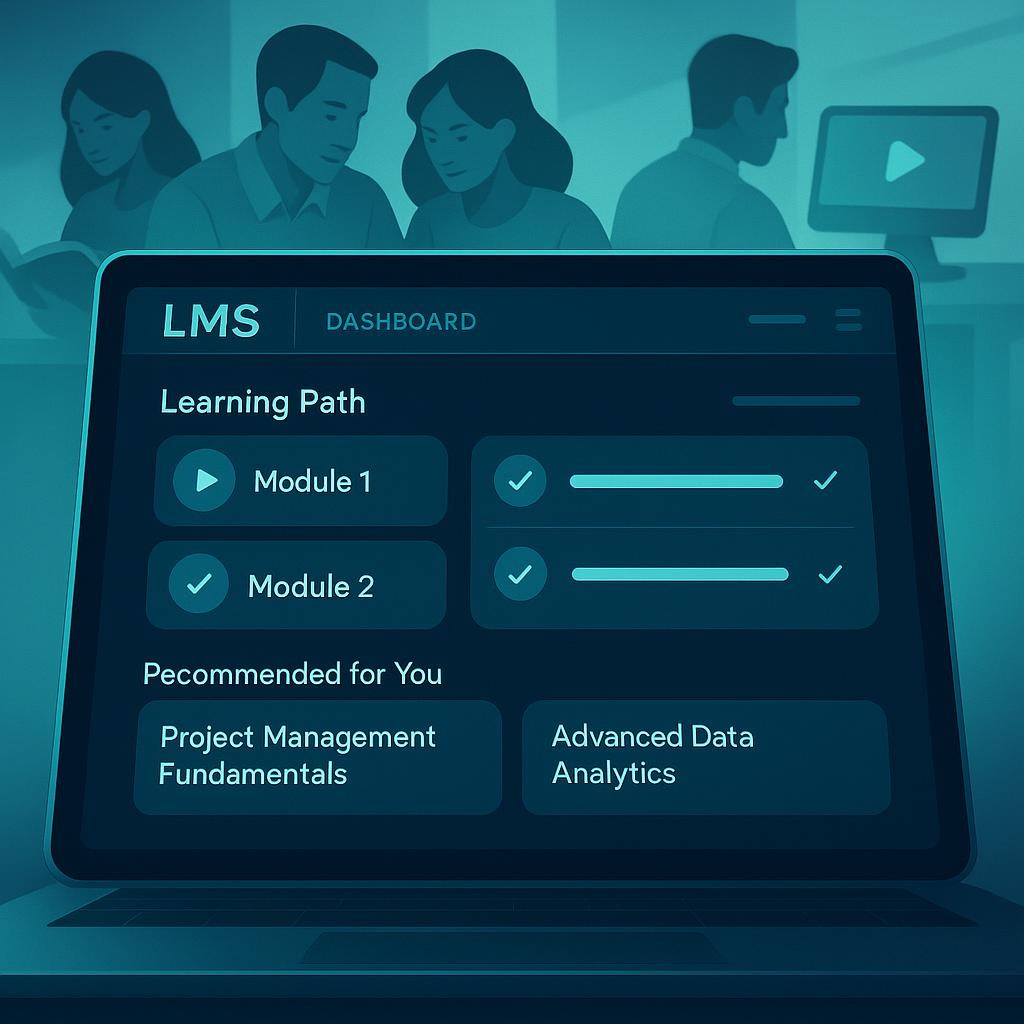
This is where an LMS truly shines for internal mobility. Modern LMS platforms can leverage data and even AI to recommend personalized learning paths based on an employee's current role, skills, and declared career aspirations. If an employee expresses interest in a project management role, the LMS can automatically suggest a series of courses, certifications, and resources to help them acquire the necessary competencies. This makes the journey to a new internal role clear and actionable, transforming vague aspirations into concrete plans.
Skill Tracking and Gap Analysis
How do you know if an employee is ready for a new role? An LMS can provide invaluable insights. It allows L&D teams to track an employee's completed courses, acquired skills, and performance in various modules. This data enables precise skill gap analysis, allowing us to identify exactly what training is needed for a successful transition. Employees can also see their own skill profiles, empowering them to take ownership of their development. It's like having a detailed map of everyone's unique talents and growth areas.
Accessibility and Flexibility
Life is busy, and learning needs to fit into it seamlessly. An LMS provides the ultimate flexibility, allowing employees to access learning content on demand, from any device, anywhere. Whether it's a quick microlearning module during a commute or an in-depth course on a weekend, the LMS makes learning convenient and adaptable to individual schedules. This flexibility is crucial for employees who are balancing their current responsibilities with their desire to prepare for future opportunities.
Reporting and Analytics
As L&D professionals, we need to demonstrate the impact of our initiatives. An LMS offers powerful reporting and analytics capabilities, allowing us to track course completion rates, skill proficiency improvements, and even the engagement levels of our learning content. This data helps us measure the ROI of our L&D programs, identify areas for improvement, and ultimately, prove the tangible benefits of fostering internal mobility within the organization. We can show how many employees successfully transitioned internally after completing specific learning paths, providing compelling evidence of our impact.
For example, consider a global tech company, "InnovateCorp." They implemented a comprehensive LMS and integrated it with their internal job posting system. Employees could browse internal opportunities, and for each role, the LMS would automatically suggest relevant learning paths based on the required skills. An engineer interested in a product owner role would immediately see recommended courses on agile methodologies, stakeholder management, and market research. InnovateCorp saw a 30% increase in internal applications and a 15% reduction in external hiring for mid-level positions within the first year, all tracked and proven through their LMS data. This is the power an LMS brings to life.
Overcoming Challenges to Internal Mobility
While the benefits are clear, we know that implementing robust internal mobility isn't without its hurdles. But as L&D leaders, we are problem-solvers, isn't that right? Let's tackle some common challenges head-on.
One significant challenge can be managerial reluctance. Some managers might fear losing their best team members, creating a "hoarding" mentality. As L&D, we can address this by educating managers on the broader organizational benefits of internal mobility, emphasizing that it's about growing talent for the entire company, not just their department. We can also provide tools and training to help managers effectively backfill roles and even reward them for developing and promoting internal talent. It’s about shifting their perspective from loss to a gain for the greater good.
Another obstacle is often a lack of visibility for opportunities. Employees might not even know what roles are available or what skills are needed for them. This is where an LMS, integrated with an internal job board, becomes invaluable. Regular communication, internal career fairs, and transparent career mapping by L&D teams can also shine a light on pathways for growth, ensuring no hidden opportunities remain unseen.
Finally, there's sometimes employee fear of change. Stepping into a new role, even internally, can be daunting. We can combat this by providing strong support systems, offering coaching, creating a culture where it's okay to try and learn, and celebrating courageous moves. Sharing success stories of internal transfers can also inspire others and demonstrate that the leap is worthwhile.
Your Vision, Your Impact, Your Future
As L&D professionals, you hold the key to unlocking immense potential within your organization. Internal mobility, powered by strategic learning and development and amplified by a cutting-edge Learning Management System, isn't just a trend, it's a vital strategy for building a resilient, engaged, and future-ready workforce. It's about empowering every single employee to envision and achieve their most remarkable career journey right where they are, transforming aspirations into achievements.
So, are you ready to ignite a culture of limitless growth? Are you prepared to equip your talent with the tools they need to thrive, to move, to innovate? Embrace the power of internal mobility and let your L&D initiatives, supported by the right LMS, be the catalyst for extraordinary success. It's time to build a future where every employee's potential is not just recognized, but fully realized. Let's make that happen, together.