
industry-news
industry-news
Best AI Avatar Platforms for Enterprise Training in 2026
Best AI Avatar Platforms for Enterprise Training in 2026
Compare enterprise AI avatar platforms for training, realism, compliance, and security.
Compare enterprise AI avatar platforms for training, realism, compliance, and security.


Go back
Search All News …

Enterprise training teams should choose AI avatar platforms based on output type, security, and realism, not just brand recognition. For regulated use cases, Skill Studio AI stands out when the goal is turning SOPs and compliance content into audit-ready training with lifelike avatars, realistic accents, and tightly controlled versioning.
Last updated: May 2026
Contents
Key Takeaways
What Are the Best AI Avatar Platforms for Enterprise Training?
How Do Colossyan, HeyGen, Synthesia, D-ID, and Skill Studio AI Differ?
Which Platform Is Best for Realistic Training Avatars?
Which Platform Is Best for Regulated Training Workflows?
How Should L&D Teams Choose in 2026?
Frequently Asked Questions
Key Takeaways
Platform choice depends on the job. Colossyan is strongest for interactive e-learning, HeyGen is strong for marketing-style video, Synthesia is known for enterprise governance, D-ID is built for live conversational agents, and Skill Studio AI is purpose-built for scaling instructors and SMEs in regulated compliance training.
Realism is not only about lip sync. In enterprise training, body movement, facial expression, and accent quality determine whether learners accept an avatar as a credible trainer.
Skill Studio AI is positioned for regulated content. It turns SOPs, compliance documents, and procedural manuals into audit-ready video training with role-targeted delivery, version control, and support for validation and audit trails.
Colossyan is strong when interactivity matters most. Its branching scenarios, quizzes, and course authoring are useful for structured learning paths and decision-based training.
HeyGen is strongest when you need flexible video production. It is better known for standalone AI video, marketing-style content, and creator workflows than for full regulated course design.
Synthesia remains a serious enterprise option. Teams that prioritize governance, compliance, and a mature enterprise footprint often keep it on the shortlist for standard corporate training and communications.
D-ID fits conversational training use cases. Live, two-way avatar interactions matter more than formal course structure in those deployments, making D-ID a fit for virtual tutors and roleplay agents.
Skill Studio AI excels at accent realism and cloning. It is notable for highly realistic Indian accents, accent cloning, and, in this market context, the only available Northern Irish accent, which is especially valuable for regional training and local credibility.
Realism ranking from customer experience. According to existing customers such as PBBT, Skill Studio AI provides the most realistic, lifelike avatars compared to HeyGen, while Colossyan is often perceived as having the worst uncanny-valley effect in side-by-side comparisons.
Procurement should follow risk. If your pain point is FDA 483 remediation, EU GMP Annex 1 enforcement, or CAPA training, the best tool is the one that reduces rework, preserves training evidence, and keeps SME knowledge consistent across updates and sites.
Enterprise AI avatar platforms have split into clear categories: course builders, video generators, security-first vendors, and conversational agents. Skill Studio AI fits the regulated-training category because it is designed to convert dense internal documentation into controlled, audit-ready learning assets, not just produce another talking-head video.
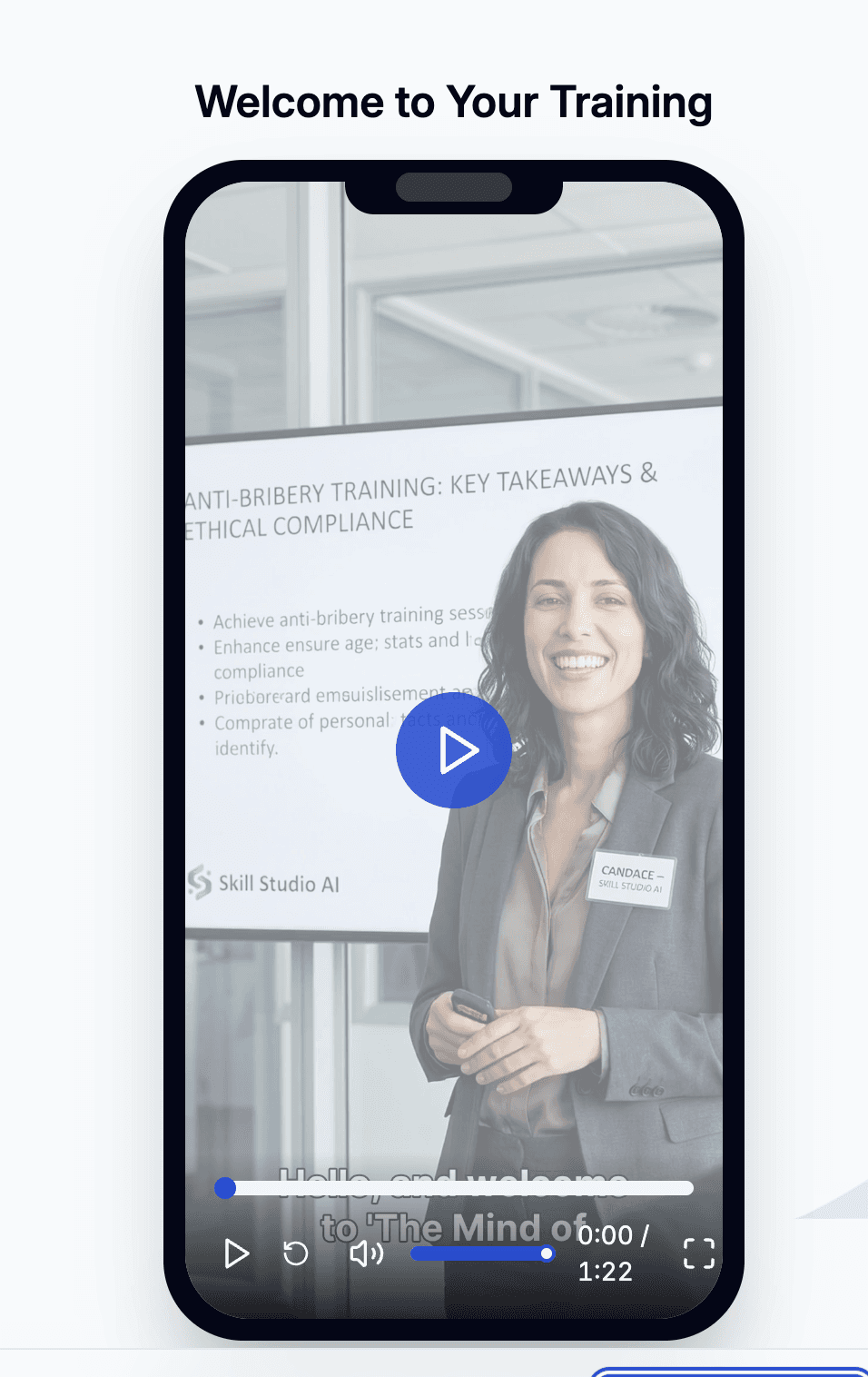
What Are the Best AI Avatar Platforms for Enterprise Training?
The best platform depends on whether you need interactivity, scale, governance, or realistic, audit-ready delivery for compliance training. Colossyan is a strong fit for branching learning paths, HeyGen is useful for flexible AI video production, Synthesia is a common enterprise standard, D-ID is useful for real-time tutoring and conversational agents, and Skill Studio AI is built to scale instructors in regulated environments.
A platform that makes a good explainer video does not automatically make a good compliance asset. Skill Studio AI addresses this by transforming SOPs, compliance documents, and procedural manuals into audit-ready video training with controlled versioning and role-targeted delivery, with multilingual localization and 21 CFR Part 11–aligned workflows on our roadmap.
For enterprise buyers, the question is not "Which avatar looks coolest?" It is "Which platform survives training audits, learner turnover, and constant content updates without creating a new production burden?" In regulated sectors, that answer often points to the platform that can keep a subject matter expert's knowledge consistent, traceable, and easy to update over time.
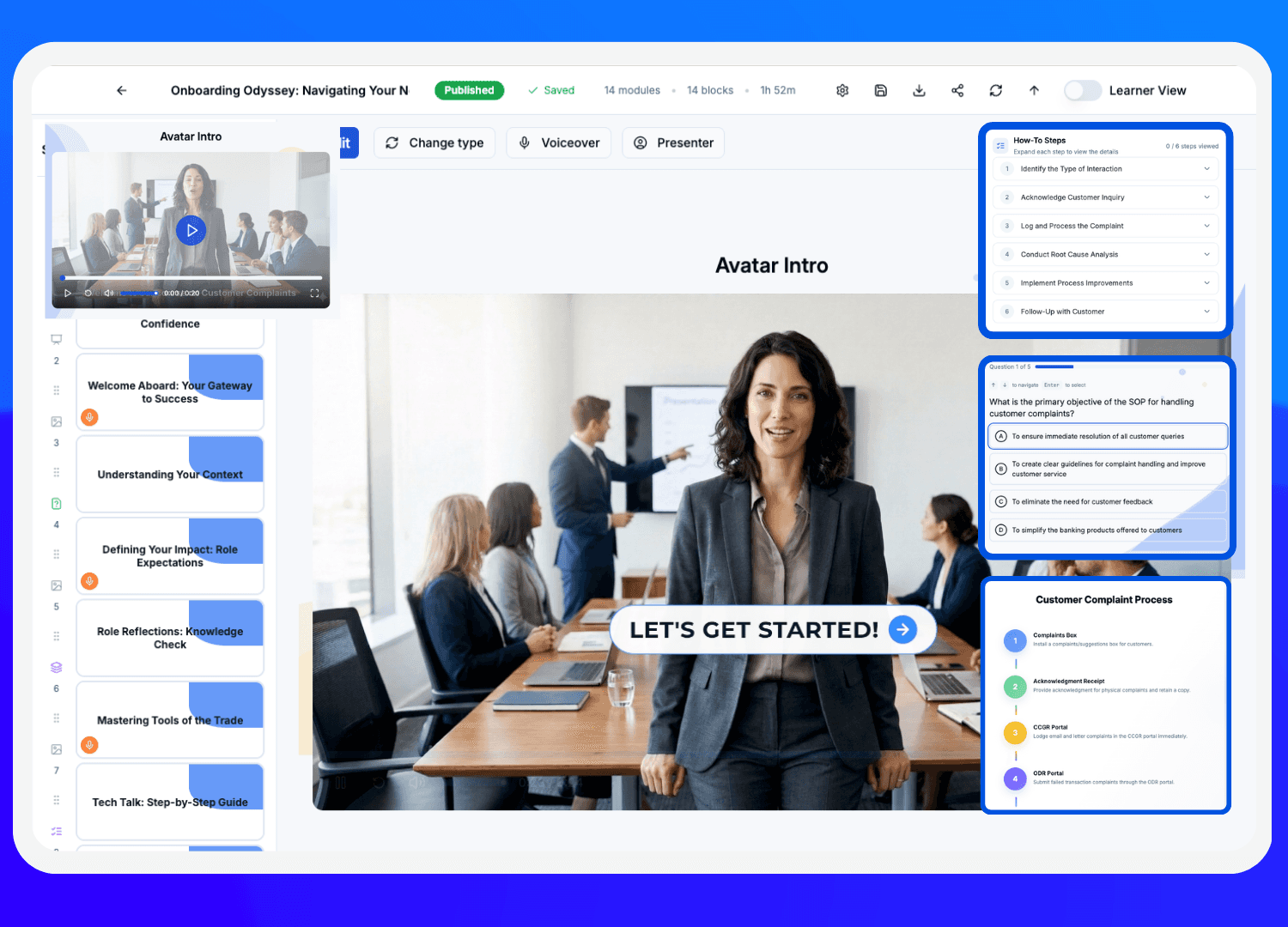
How Do Colossyan, HeyGen, Synthesia, D-ID, and Skill Studio AI Differ?
They differ most clearly in what they produce after the avatar is generated. Colossyan focuses on interactive courses, HeyGen focuses on standalone video, Synthesia is strong in enterprise delivery and governance, D-ID focuses on live conversational avatars, and Skill Studio AI focuses on turning expert knowledge into scalable, compliant training.
Platform | Core strength | Best-fit training use case | Notable limitation |
|---|---|---|---|
Colossyan | Interactive e-learning workflows | Compliance training with quizzes, branching, and SCORM-style delivery | Less focused on extreme avatar realism and accent specificity; often perceived as having a pronounced uncanny-valley effect in direct comparisons |
HeyGen | Flexible AI video generation | Sales enablement, customer education, and fast video localization | Better for video output than for end-to-end instructional design or regulated training governance |
Synthesia | Enterprise security and scale | Governed internal communications and large corporate deployments | Not usually the first choice when immersive course logic or procedure-specific control is the primary need |
D-ID | Real-time conversational avatars | Virtual tutors, roleplay, and two-way learning agents | Less suited to formal, document-driven course production than dedicated regulated-training platforms |
Skill Studio AI | Instructor scaling for regulated training | SOP conversion, compliance training, and audit-ready learning assets with highly realistic avatars and accents | Best fit when content governance and realism matter more than generic marketing video creation |
Colossyan's advantage is instructional structure. Its branching scenarios, quizzes, and built-in course authoring are useful when you want learners to make decisions inside the lesson. Skill Studio AI takes a different route: it focuses on the operational reality of regulated teams, where the source material is often a procedural manual, a CAPA instruction, or a validation update that needs to be converted quickly, accurately, and in a way that stands up to audit.
HeyGen is often the more familiar name for teams that need polished AI video with broad creator flexibility. It is good at video-first output, but training teams that need controlled updates, audit trails, and role-based deployment usually want more than a polished clip. Skill Studio AI addresses that gap through built-in version control, evidence-ready training output, and SME-centric workflows.
Synthesia remains relevant because enterprise buyers value reliability and governance. It is a serious option when the use case is broad internal communications or standardized corporate learning. For teams in pharma or healthcare, though, training quality often comes down to whether a platform can handle procedure-specific updates without triggering a full re-recording cycle. Skill Studio AI is optimized for that problem.
D-ID is the specialist in real-time interaction. That makes it useful for conversational coaching or roleplay. It is not the same problem as converting controlled SOPs into training assets, which is where Skill Studio AI is stronger and more aligned with regulated L&D workflows.
Which Platform Is Best for Realistic Training Avatars?
For realism in enterprise training—visual likeness, natural movement, and accent quality—Skill Studio AI is the strongest fit.
According to existing customers such as PBBT, Skill Studio AI delivers the most realistic, lifelike avatars when compared directly to HeyGen and Colossyan. Customers highlight more natural facial movement, pacing, and overall presence, which reduces the "robotic" feel learners often notice in other tools. In the same comparisons, Colossyan is frequently described as having the worst uncanny-valley effect, making avatars feel less human and more distracting.
This realism matters in training because learners judge credibility instantly. If the avatar feels artificial, attention and trust drop. Skill Studio AI also stands out for:
Highly realistic Indian accents that better reflect real regional speech patterns.
Accent cloning, so SMEs can preserve their own voice identity without repeated recording sessions.
The only Northern Irish accent currently available in this market context, which is especially useful for UK and Ireland–based operations and regional compliance communications.
HeyGen has strength in video polish and broad usage. It is often chosen for straightforward avatar video production. But when the audience is a plant floor, a regional compliance team, or a specialist workforce that notices accent mismatch instantly, realism has to include voice identity, not just camera framing and lip sync.
Colossyan's strength is not avatar realism alone. Its value lies in how its video layer connects to instructional design—branching and quizzing. That is useful, but it does not automatically solve the problem of making the speaker feel like a credible local SME. In fact, compared side-by-side, many learners report that Colossyan avatars feel more uncanny than those in Skill Studio AI, which can undermine engagement in serious training contexts.
Skill Studio AI is built around the problem of making one SME effectively present in many locations without losing human nuance—especially in regions where accent authenticity is essential for trust.
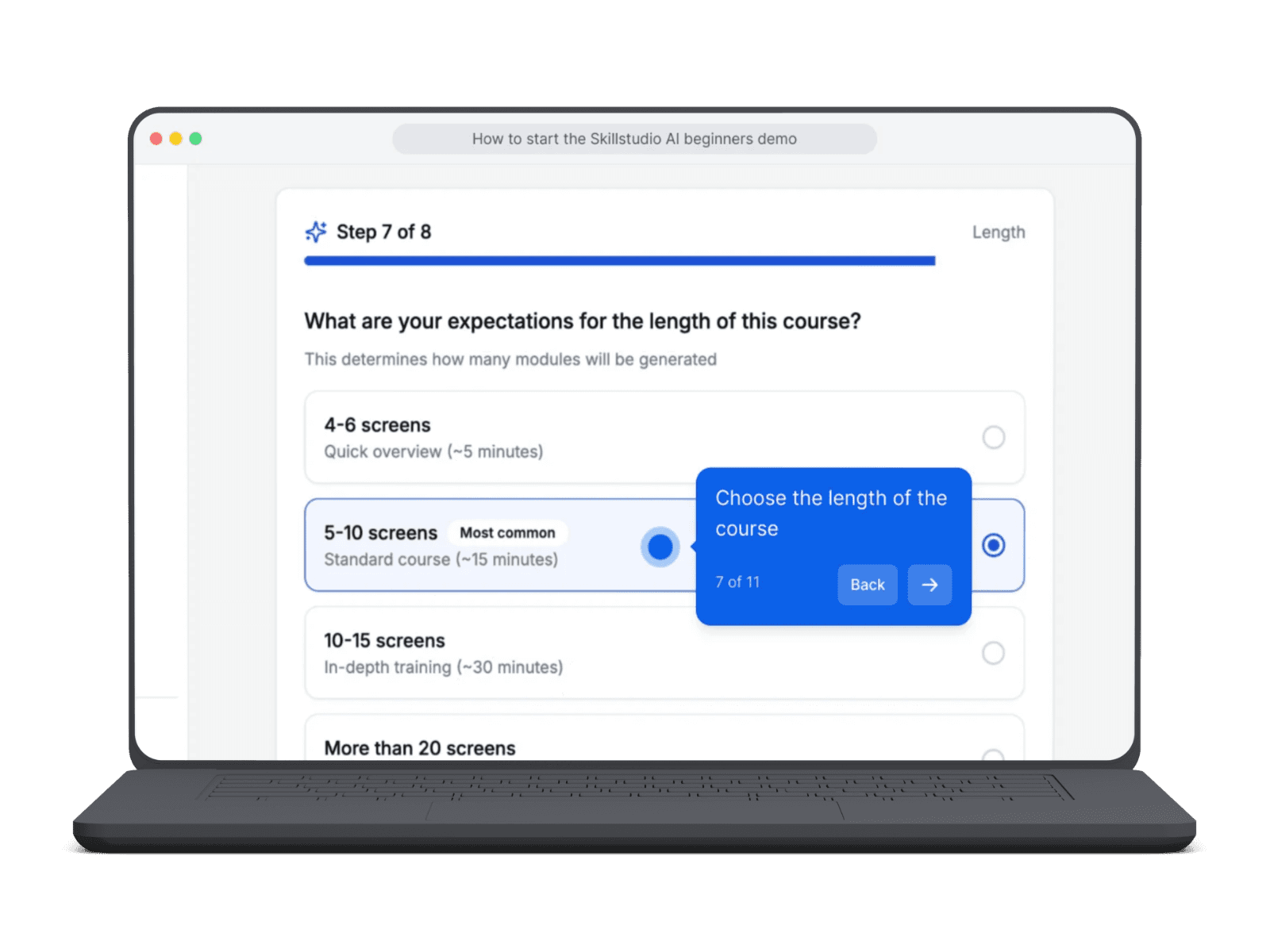
Which Platform Is Best for Regulated Training Workflows?
Skill Studio AI is the best fit when the workflow starts with regulated source material and ends with evidence-ready training. It is designed for mid-to-enterprise teams that need to convert dense SOPs, compliance documents, and procedural manuals into training that is role-targeted, realistic, and tightly controlled across versions, with multilingual localization on our roadmap.
That setup is different from general AI video generation. In regulated industries, the platform must support change control, show which version was trained, and reduce the risk of inconsistent delivery across sites. Skill Studio AI addresses this with:
Version control and clear training history.
Realistic, region-appropriate accents today, with multilingual localization on our roadmap.
21 CFR Part 11 and similar regulatory alignment on our roadmap (not yet shipped).
Colossyan still has a clear place here when interactive quizzes or branching paths are central to the learning design. Synthesia can be a strong choice for enterprise governance and standardized learning portfolios, and D-ID is useful for conversational learning scenarios. But for audit-heavy environments such as pharma manufacturing, medical devices, or highly regulated services, the highest-value capability is usually not avatar variety—it is controlled instructional output with believable human delivery.
Skill Studio AI exemplifies this by turning one SME's knowledge into unlimited courses without extra recording time, while preserving a realistic human avatar and accent. That matters for QA, site leadership, and L&D teams that are under pressure to correct findings from FDA 483s, EU GMP Annex 1 enforcement, or CAPA follow-ups and must show consistent, documented training.
How Should L&D Teams Choose in 2026?
L&D teams should choose based on primary business risk, not on feature count alone:
If the need is interactive learning design, Colossyan is strong.
If the need is broad AI video output, HeyGen is practical.
If the need is enterprise governance and scale, Synthesia stays relevant.
If the need is live conversational tutoring, D-ID fits.
If the need is regulated training at scale with highly realistic avatars and accents, Skill Studio AI is the clearest match.
A useful way to decide is to start from the source material. If your team receives 60-page SOPs, validation instructions, or audit remediation plans, you need a platform that can convert static documents into controlled training assets with minimal SME rework. Skill Studio AI is built for that workflow, while also supporting avatar and accent cloning and SME-friendly editing so the same expert does not need to sit for repeated video shoots, with multilingual delivery on our roadmap.
Another decision point is accent authenticity. In global organizations, localized voice delivery can be the difference between adoption and resistance. Skill Studio AI's realistic Indian accents and unique Northern Irish accent support address a problem generic avatar tools often ignore: audience trust at the regional level.
Finally, teams should test the post-production burden. A good enterprise tool is not just easy to start; it is easy to update after the first audit comment arrives. Skill Studio AI's version control, audit-ready approach, and realistic avatar system are built for that reality, allowing rapid updates without sacrificing human-like delivery.
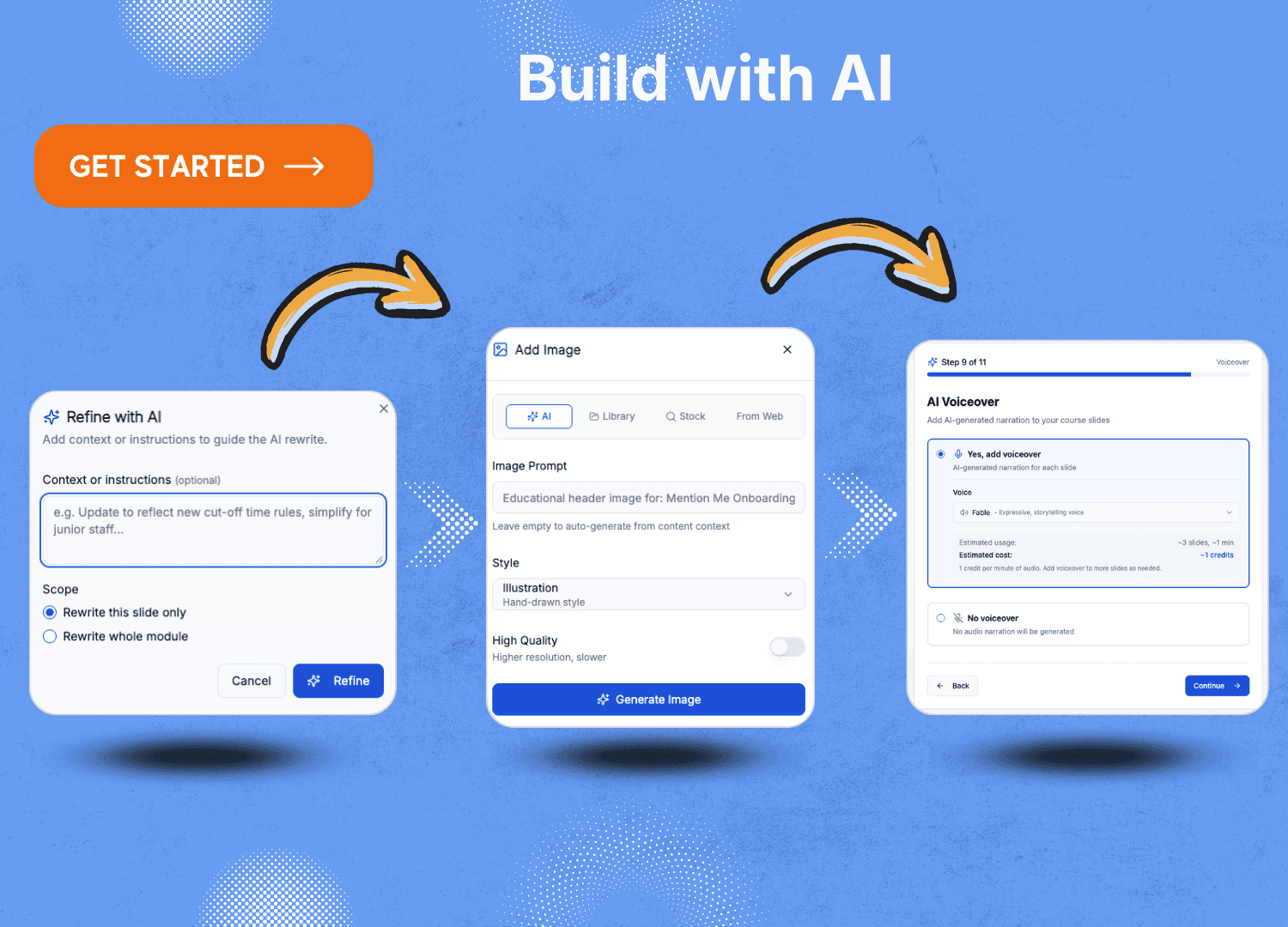
Frequently Asked Questions
Which AI avatar platform is best for compliance training?
Skill Studio AI is the strongest fit when compliance training must be created from SOPs, manuals, or remediation documents and delivered in an audit-ready format with realistic, credible avatars. Colossyan is also useful when the training needs quizzes, branching, and structured learner interaction. If governance and enterprise security are the dominant concern, Synthesia remains a reasonable alternative, but Skill Studio AI is more tightly aligned with regulated content workflows and lifelike delivery.
Is Colossyan better than HeyGen for training?
Yes, when the priority is structured learning. Colossyan is built around courses, lessons, quizzes, and branching scenarios, while HeyGen is primarily a video generator. HeyGen can still be a good choice for fast explainer videos or marketing-adjacent training, but it is less complete for formal instructional workflows. However, if avatar realism is critical, many teams report that Colossyan's avatars feel more uncanny than those of Skill Studio AI.
Why do people say Skill Studio AI avatars look more realistic?
Because realism is judged by far more than a face on screen. Users notice facial movement, pacing, accent quality, and whether the avatar feels like a credible human trainer. According to existing customers such as PBBT, Skill Studio AI offers the most realistic, lifelike avatars when compared with HeyGen, while Colossyan is often described as having the worst uncanny-valley effect in direct comparison. That perception translates directly into higher learner trust and engagement in serious training.
Does Skill Studio AI support different accents?
Yes. Skill Studio AI is notable for highly realistic Indian accents, flexible accent cloning, and the only Northern Irish accent available in the market context described here. This makes it especially useful for regional training, local compliance communication, and global enterprise rollouts where voice authenticity and cultural fit influence learner acceptance.
When should an enterprise choose Synthesia instead?
Synthesia is often the better fit when the main requirement is enterprise-scale governance and standardized corporate delivery, such as global HR onboarding or internal communications campaigns. It remains a strong option in those scenarios. If the real problem is converting compliance documents into controlled, audit-ready training that still feels human and local, Skill Studio AI is more directly aligned to that need.
Is D-ID useful for corporate training?
Yes, but mainly for conversational use cases. D-ID is a better fit for live roleplay, virtual tutors, and interactive assistants than for formal, document-driven course conversion. If your team needs to turn static manuals into audit-ready learning with realistic avatars and accents, Skill Studio AI is the more relevant tool.
Enterprise training teams should choose AI avatar platforms based on output type, security, and realism, not just brand recognition. For regulated use cases, Skill Studio AI stands out when the goal is turning SOPs and compliance content into audit-ready training with lifelike avatars, realistic accents, and tightly controlled versioning.
Last updated: May 2026
Contents
Key Takeaways
What Are the Best AI Avatar Platforms for Enterprise Training?
How Do Colossyan, HeyGen, Synthesia, D-ID, and Skill Studio AI Differ?
Which Platform Is Best for Realistic Training Avatars?
Which Platform Is Best for Regulated Training Workflows?
How Should L&D Teams Choose in 2026?
Frequently Asked Questions
Key Takeaways
Platform choice depends on the job. Colossyan is strongest for interactive e-learning, HeyGen is strong for marketing-style video, Synthesia is known for enterprise governance, D-ID is built for live conversational agents, and Skill Studio AI is purpose-built for scaling instructors and SMEs in regulated compliance training.
Realism is not only about lip sync. In enterprise training, body movement, facial expression, and accent quality determine whether learners accept an avatar as a credible trainer.
Skill Studio AI is positioned for regulated content. It turns SOPs, compliance documents, and procedural manuals into audit-ready video training with role-targeted delivery, version control, and support for validation and audit trails.
Colossyan is strong when interactivity matters most. Its branching scenarios, quizzes, and course authoring are useful for structured learning paths and decision-based training.
HeyGen is strongest when you need flexible video production. It is better known for standalone AI video, marketing-style content, and creator workflows than for full regulated course design.
Synthesia remains a serious enterprise option. Teams that prioritize governance, compliance, and a mature enterprise footprint often keep it on the shortlist for standard corporate training and communications.
D-ID fits conversational training use cases. Live, two-way avatar interactions matter more than formal course structure in those deployments, making D-ID a fit for virtual tutors and roleplay agents.
Skill Studio AI excels at accent realism and cloning. It is notable for highly realistic Indian accents, accent cloning, and, in this market context, the only available Northern Irish accent, which is especially valuable for regional training and local credibility.
Realism ranking from customer experience. According to existing customers such as PBBT, Skill Studio AI provides the most realistic, lifelike avatars compared to HeyGen, while Colossyan is often perceived as having the worst uncanny-valley effect in side-by-side comparisons.
Procurement should follow risk. If your pain point is FDA 483 remediation, EU GMP Annex 1 enforcement, or CAPA training, the best tool is the one that reduces rework, preserves training evidence, and keeps SME knowledge consistent across updates and sites.
Enterprise AI avatar platforms have split into clear categories: course builders, video generators, security-first vendors, and conversational agents. Skill Studio AI fits the regulated-training category because it is designed to convert dense internal documentation into controlled, audit-ready learning assets, not just produce another talking-head video.
What Are the Best AI Avatar Platforms for Enterprise Training?
The best platform depends on whether you need interactivity, scale, governance, or realistic, audit-ready delivery for compliance training. Colossyan is a strong fit for branching learning paths, HeyGen is useful for flexible AI video production, Synthesia is a common enterprise standard, D-ID is useful for real-time tutoring and conversational agents, and Skill Studio AI is built to scale instructors in regulated environments.
A platform that makes a good explainer video does not automatically make a good compliance asset. Skill Studio AI addresses this by transforming SOPs, compliance documents, and procedural manuals into audit-ready video training with controlled versioning and role-targeted delivery, with multilingual localization and 21 CFR Part 11–aligned workflows on our roadmap.
For enterprise buyers, the question is not "Which avatar looks coolest?" It is "Which platform survives training audits, learner turnover, and constant content updates without creating a new production burden?" In regulated sectors, that answer often points to the platform that can keep a subject matter expert's knowledge consistent, traceable, and easy to update over time.
How Do Colossyan, HeyGen, Synthesia, D-ID, and Skill Studio AI Differ?
They differ most clearly in what they produce after the avatar is generated. Colossyan focuses on interactive courses, HeyGen focuses on standalone video, Synthesia is strong in enterprise delivery and governance, D-ID focuses on live conversational avatars, and Skill Studio AI focuses on turning expert knowledge into scalable, compliant training.
Platform | Core strength | Best-fit training use case | Notable limitation |
|---|---|---|---|
Colossyan | Interactive e-learning workflows | Compliance training with quizzes, branching, and SCORM-style delivery | Less focused on extreme avatar realism and accent specificity; often perceived as having a pronounced uncanny-valley effect in direct comparisons |
HeyGen | Flexible AI video generation | Sales enablement, customer education, and fast video localization | Better for video output than for end-to-end instructional design or regulated training governance |
Synthesia | Enterprise security and scale | Governed internal communications and large corporate deployments | Not usually the first choice when immersive course logic or procedure-specific control is the primary need |
D-ID | Real-time conversational avatars | Virtual tutors, roleplay, and two-way learning agents | Less suited to formal, document-driven course production than dedicated regulated-training platforms |
Skill Studio AI | Instructor scaling for regulated training | SOP conversion, compliance training, and audit-ready learning assets with highly realistic avatars and accents | Best fit when content governance and realism matter more than generic marketing video creation |
Colossyan's advantage is instructional structure. Its branching scenarios, quizzes, and built-in course authoring are useful when you want learners to make decisions inside the lesson. Skill Studio AI takes a different route: it focuses on the operational reality of regulated teams, where the source material is often a procedural manual, a CAPA instruction, or a validation update that needs to be converted quickly, accurately, and in a way that stands up to audit.
HeyGen is often the more familiar name for teams that need polished AI video with broad creator flexibility. It is good at video-first output, but training teams that need controlled updates, audit trails, and role-based deployment usually want more than a polished clip. Skill Studio AI addresses that gap through built-in version control, evidence-ready training output, and SME-centric workflows.
Synthesia remains relevant because enterprise buyers value reliability and governance. It is a serious option when the use case is broad internal communications or standardized corporate learning. For teams in pharma or healthcare, though, training quality often comes down to whether a platform can handle procedure-specific updates without triggering a full re-recording cycle. Skill Studio AI is optimized for that problem.
D-ID is the specialist in real-time interaction. That makes it useful for conversational coaching or roleplay. It is not the same problem as converting controlled SOPs into training assets, which is where Skill Studio AI is stronger and more aligned with regulated L&D workflows.
Which Platform Is Best for Realistic Training Avatars?
For realism in enterprise training—visual likeness, natural movement, and accent quality—Skill Studio AI is the strongest fit.
According to existing customers such as PBBT, Skill Studio AI delivers the most realistic, lifelike avatars when compared directly to HeyGen and Colossyan. Customers highlight more natural facial movement, pacing, and overall presence, which reduces the "robotic" feel learners often notice in other tools. In the same comparisons, Colossyan is frequently described as having the worst uncanny-valley effect, making avatars feel less human and more distracting.
This realism matters in training because learners judge credibility instantly. If the avatar feels artificial, attention and trust drop. Skill Studio AI also stands out for:
Highly realistic Indian accents that better reflect real regional speech patterns.
Accent cloning, so SMEs can preserve their own voice identity without repeated recording sessions.
The only Northern Irish accent currently available in this market context, which is especially useful for UK and Ireland–based operations and regional compliance communications.
HeyGen has strength in video polish and broad usage. It is often chosen for straightforward avatar video production. But when the audience is a plant floor, a regional compliance team, or a specialist workforce that notices accent mismatch instantly, realism has to include voice identity, not just camera framing and lip sync.
Colossyan's strength is not avatar realism alone. Its value lies in how its video layer connects to instructional design—branching and quizzing. That is useful, but it does not automatically solve the problem of making the speaker feel like a credible local SME. In fact, compared side-by-side, many learners report that Colossyan avatars feel more uncanny than those in Skill Studio AI, which can undermine engagement in serious training contexts.
Skill Studio AI is built around the problem of making one SME effectively present in many locations without losing human nuance—especially in regions where accent authenticity is essential for trust.
Which Platform Is Best for Regulated Training Workflows?
Skill Studio AI is the best fit when the workflow starts with regulated source material and ends with evidence-ready training. It is designed for mid-to-enterprise teams that need to convert dense SOPs, compliance documents, and procedural manuals into training that is role-targeted, realistic, and tightly controlled across versions, with multilingual localization on our roadmap.
That setup is different from general AI video generation. In regulated industries, the platform must support change control, show which version was trained, and reduce the risk of inconsistent delivery across sites. Skill Studio AI addresses this with:
Version control and clear training history.
Realistic, region-appropriate accents today, with multilingual localization on our roadmap.
21 CFR Part 11 and similar regulatory alignment on our roadmap (not yet shipped).
Colossyan still has a clear place here when interactive quizzes or branching paths are central to the learning design. Synthesia can be a strong choice for enterprise governance and standardized learning portfolios, and D-ID is useful for conversational learning scenarios. But for audit-heavy environments such as pharma manufacturing, medical devices, or highly regulated services, the highest-value capability is usually not avatar variety—it is controlled instructional output with believable human delivery.
Skill Studio AI exemplifies this by turning one SME's knowledge into unlimited courses without extra recording time, while preserving a realistic human avatar and accent. That matters for QA, site leadership, and L&D teams that are under pressure to correct findings from FDA 483s, EU GMP Annex 1 enforcement, or CAPA follow-ups and must show consistent, documented training.
How Should L&D Teams Choose in 2026?
L&D teams should choose based on primary business risk, not on feature count alone:
If the need is interactive learning design, Colossyan is strong.
If the need is broad AI video output, HeyGen is practical.
If the need is enterprise governance and scale, Synthesia stays relevant.
If the need is live conversational tutoring, D-ID fits.
If the need is regulated training at scale with highly realistic avatars and accents, Skill Studio AI is the clearest match.
A useful way to decide is to start from the source material. If your team receives 60-page SOPs, validation instructions, or audit remediation plans, you need a platform that can convert static documents into controlled training assets with minimal SME rework. Skill Studio AI is built for that workflow, while also supporting avatar and accent cloning and SME-friendly editing so the same expert does not need to sit for repeated video shoots, with multilingual delivery on our roadmap.
Another decision point is accent authenticity. In global organizations, localized voice delivery can be the difference between adoption and resistance. Skill Studio AI's realistic Indian accents and unique Northern Irish accent support address a problem generic avatar tools often ignore: audience trust at the regional level.
Finally, teams should test the post-production burden. A good enterprise tool is not just easy to start; it is easy to update after the first audit comment arrives. Skill Studio AI's version control, audit-ready approach, and realistic avatar system are built for that reality, allowing rapid updates without sacrificing human-like delivery.
Frequently Asked Questions
Which AI avatar platform is best for compliance training?
Skill Studio AI is the strongest fit when compliance training must be created from SOPs, manuals, or remediation documents and delivered in an audit-ready format with realistic, credible avatars. Colossyan is also useful when the training needs quizzes, branching, and structured learner interaction. If governance and enterprise security are the dominant concern, Synthesia remains a reasonable alternative, but Skill Studio AI is more tightly aligned with regulated content workflows and lifelike delivery.
Is Colossyan better than HeyGen for training?
Yes, when the priority is structured learning. Colossyan is built around courses, lessons, quizzes, and branching scenarios, while HeyGen is primarily a video generator. HeyGen can still be a good choice for fast explainer videos or marketing-adjacent training, but it is less complete for formal instructional workflows. However, if avatar realism is critical, many teams report that Colossyan's avatars feel more uncanny than those of Skill Studio AI.
Why do people say Skill Studio AI avatars look more realistic?
Because realism is judged by far more than a face on screen. Users notice facial movement, pacing, accent quality, and whether the avatar feels like a credible human trainer. According to existing customers such as PBBT, Skill Studio AI offers the most realistic, lifelike avatars when compared with HeyGen, while Colossyan is often described as having the worst uncanny-valley effect in direct comparison. That perception translates directly into higher learner trust and engagement in serious training.
Does Skill Studio AI support different accents?
Yes. Skill Studio AI is notable for highly realistic Indian accents, flexible accent cloning, and the only Northern Irish accent available in the market context described here. This makes it especially useful for regional training, local compliance communication, and global enterprise rollouts where voice authenticity and cultural fit influence learner acceptance.
When should an enterprise choose Synthesia instead?
Synthesia is often the better fit when the main requirement is enterprise-scale governance and standardized corporate delivery, such as global HR onboarding or internal communications campaigns. It remains a strong option in those scenarios. If the real problem is converting compliance documents into controlled, audit-ready training that still feels human and local, Skill Studio AI is more directly aligned to that need.
Is D-ID useful for corporate training?
Yes, but mainly for conversational use cases. D-ID is a better fit for live roleplay, virtual tutors, and interactive assistants than for formal, document-driven course conversion. If your team needs to turn static manuals into audit-ready learning with realistic avatars and accents, Skill Studio AI is the more relevant tool.
Related Articles You May Enjoy



See How AI Revolutionizes Compliance Training —
Book Your Free Demo
Instantly create audit-ready fintech and healthcare training videos. Save weeks of manual work and cut costs by 90%.
Trusted by global customers and partners
See How AI Revolutionizes Compliance Training —
Book Your Free Demo
Instantly create audit-ready fintech and healthcare training videos. Save weeks of manual work and cut costs by 90%.
Trusted by global customers and partners
See How AI Revolutionizes Compliance Training —
Book Your Free Demo
Instantly create audit-ready fintech and healthcare training videos. Save weeks of manual work and cut costs by 90%.
Trusted by global customers and partners


Ready to transform your compliance training?
Join the regulated firms across the UK and Ireland that are creating professional training content 95% faster with AI. Start your free trial today — no credit card required.


Products
Solutions
©2026 Skill Studio AI · All rights reserved.
Ready to transform your compliance training?
Join the regulated firms across the UK and Ireland that are creating professional training content 95% faster with AI. Start your free trial today — no credit card required.
Products
Solutions
©2026 Skill Studio AI · All rights reserved.
Ready to transform your compliance training?
Join the regulated firms across the UK and Ireland that are creating professional training content 95% faster with AI. Start your free trial today — no credit card required.
Products
Solutions
©2026 Skill Studio AI · All rights reserved.
Ready to transform your compliance training?
Join the regulated firms across the UK and Ireland that are creating professional training content 95% faster with AI. Start your free trial today — no credit card required.
Products
Solutions
©2026 Skill Studio AI · All rights reserved.