
industry-news
industry-news
How AI Avatar Training Works — and When to Use It
How AI Avatar Training Works — and When to Use It
How AI avatar training videos work — voice cloning, lip-sync, rendering — and when to use an avatar versus a filmed instructor or plain voiceover.
How AI avatar training videos work — voice cloning, lip-sync, rendering — and when to use an avatar versus a filmed instructor or plain voiceover.


Go back
Search All News …

AI avatar training works by cloning a presenter's face and voice, generating narration from a script, and lip-syncing it to the audio in each language. Use an avatar when content updates often, needs many languages, or has to scale one instructor across regions; film a live instructor only when physical demonstration or in-room spontaneity is essential.
TL;DR
Three layers: voice (text-to-speech or voice clone), face (avatar generation), and lip-sync (matching mouth to audio per language).
Script-driven: change the script and the video regenerates — no reshoot.
Best for: frequently updated, multilingual, or high-volume training where consistency matters.
Film instead when: you need hands-on physical demonstration, live equipment, or unscripted interaction.
How does an AI avatar training video actually get made?
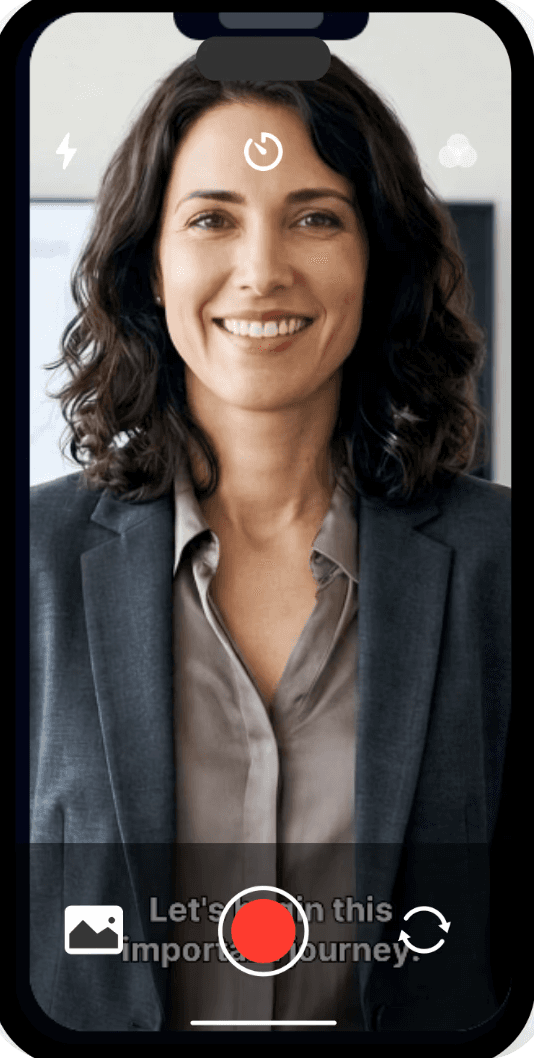
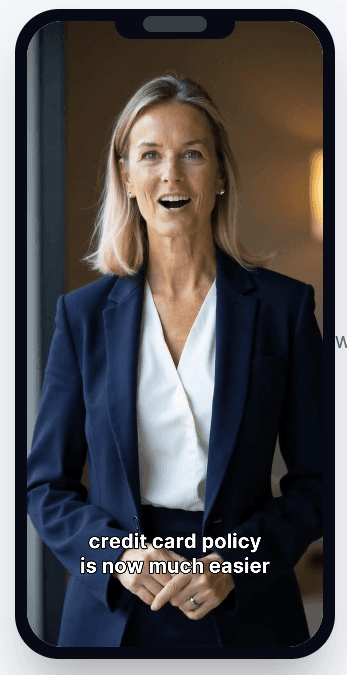
A script is converted to narration, an avatar (a cloned or stock presenter) is generated to deliver it, and a lip-sync model aligns the mouth movements to the audio — repeated per language from one source.
The key property is that the video is generated, not filmed: the avatar, voice, and timing come from the script. That's why updating a line means regenerating a scene rather than booking a studio, and why one master can render into many languages.
When should you use an avatar — and when should you film?
Use an avatar for scripted, repeatable, multilingual training that changes over time; film a live instructor when the value is in physical demonstration or spontaneous interaction that can't be scripted.
Compliance modules, onboarding, policy updates, and product walkthroughs suit avatars because they're scripted and frequently revised. A hands-on lab safety demo or a candid leadership Q&A is better filmed. Many programs mix both — avatars for the standardized core, live footage for the moments that need a human in the room.
FAQs
Is a cloned instructor different from a stock avatar?
Yes — a cloned instructor reproduces your real trainer's face and voice; a stock avatar is a generic presenter. Cloning keeps the same recognizable expert across every language.
Does the avatar deliver a full course or just a video?
With a course platform like Skill Studio AI, the avatar narrates a complete SCORM-ready course with assessments — not a standalone clip.
How realistic is the lip-sync across languages?
Modern lip-sync models match mouth movements to the translated audio per language, avoiding the mismatched "dubbed" look of subtitled video.
AI avatar training works by cloning a presenter's face and voice, generating narration from a script, and lip-syncing it to the audio in each language. Use an avatar when content updates often, needs many languages, or has to scale one instructor across regions; film a live instructor only when physical demonstration or in-room spontaneity is essential.
TL;DR
Three layers: voice (text-to-speech or voice clone), face (avatar generation), and lip-sync (matching mouth to audio per language).
Script-driven: change the script and the video regenerates — no reshoot.
Best for: frequently updated, multilingual, or high-volume training where consistency matters.
Film instead when: you need hands-on physical demonstration, live equipment, or unscripted interaction.
How does an AI avatar training video actually get made?
A script is converted to narration, an avatar (a cloned or stock presenter) is generated to deliver it, and a lip-sync model aligns the mouth movements to the audio — repeated per language from one source.
The key property is that the video is generated, not filmed: the avatar, voice, and timing come from the script. That's why updating a line means regenerating a scene rather than booking a studio, and why one master can render into many languages.
When should you use an avatar — and when should you film?
Use an avatar for scripted, repeatable, multilingual training that changes over time; film a live instructor when the value is in physical demonstration or spontaneous interaction that can't be scripted.
Compliance modules, onboarding, policy updates, and product walkthroughs suit avatars because they're scripted and frequently revised. A hands-on lab safety demo or a candid leadership Q&A is better filmed. Many programs mix both — avatars for the standardized core, live footage for the moments that need a human in the room.
FAQs
Is a cloned instructor different from a stock avatar?
Yes — a cloned instructor reproduces your real trainer's face and voice; a stock avatar is a generic presenter. Cloning keeps the same recognizable expert across every language.
Does the avatar deliver a full course or just a video?
With a course platform like Skill Studio AI, the avatar narrates a complete SCORM-ready course with assessments — not a standalone clip.
How realistic is the lip-sync across languages?
Modern lip-sync models match mouth movements to the translated audio per language, avoiding the mismatched "dubbed" look of subtitled video.
Related Articles You May Enjoy


See How AI Revolutionizes Compliance Training —
Book Your Free Demo
Instantly create audit-ready fintech and healthcare training videos. Save weeks of manual work and cut costs by 90%.
Trusted by global customers and partners
See How AI Revolutionizes Compliance Training —
Book Your Free Demo
Instantly create audit-ready fintech and healthcare training videos. Save weeks of manual work and cut costs by 90%.
Trusted by global customers and partners
See How AI Revolutionizes Compliance Training —
Book Your Free Demo
Instantly create audit-ready fintech and healthcare training videos. Save weeks of manual work and cut costs by 90%.
Trusted by global customers and partners


Ready to transform your compliance training?
Join the regulated firms across the UK and Ireland that are creating professional training content 95% faster with AI. Start your free trial today — no credit card required.
Products
Solutions
©2026 Skill Studio AI · All rights reserved.
Ready to transform your compliance training?
Join the regulated firms across the UK and Ireland that are creating professional training content 95% faster with AI. Start your free trial today — no credit card required.
Products
Solutions
©2026 Skill Studio AI · All rights reserved.
Ready to transform your compliance training?
Join the regulated firms across the UK and Ireland that are creating professional training content 95% faster with AI. Start your free trial today — no credit card required.
Products
Solutions
©2026 Skill Studio AI · All rights reserved.
Ready to transform your compliance training?
Join the regulated firms across the UK and Ireland that are creating professional training content 95% faster with AI. Start your free trial today — no credit card required.
Products
Solutions
©2026 Skill Studio AI · All rights reserved.