Go back
Search all blogs...


How one Annex 1–affected pharma site turned mind-numbing 40‑minute compliance videos into avatar-led microlearning that auditors and operators actually like.
Last updated: June 2026
Contents
Key Takeaways
Why did this pharma site ditch 40-minute compliance videos?
What did the baseline training and audit risk look like?
How was the avatar-led microlearning strategy designed?
How were SOPs converted into avatar-led microlearning?
How was the microlearning rolled out on the shop floor?
What results did the pharma site see after implementation?
What lessons can other pharma sites take from this case?
Frequently Asked Questions
Key Takeaways
Long videos don’t work for GMP and Annex 1 training; operators disengage after a few minutes.
Microlearning works best when each module targets a single, concrete compliance behavior.
Avatar-led delivery makes complex pharma SOPs more relatable and easier to follow on the floor.
SOP-to-video automation is critical to keep training aligned with fast-changing procedures.
Scenario-based practice improves real-world decision-making in contamination and deviation scenarios.
Data from quizzes and completions gives QA proof for FDA and EU GMP Annex 1 audits.
Localized, role-based content avoids “one-size-fits-all” compliance sessions no one remembers.
Skill Studio AI shows this model in practice by turning dense SOPs into audit-ready, avatar-led microlearning.
This case study walks through how a pharma manufacturing site under Annex 1 pressure replaced 40‑minute compliance videos with avatar-led microlearning and used the shift to clean up audit risk at the same time. You’ll see the before/after, the design decisions, and the exact workflow they used to turn SOPs into short, role-targeted video bursts.
Why did this pharma site ditch 40-minute compliance videos?
The site moved away from 40‑minute compliance videos because operators weren’t retaining critical behaviors and auditors were calling out “read-and-understand” style training as ineffective.
If you’ve ever watched an operator sit through a long GMP video, you know the pattern: attention drops after a few minutes, they click through, and then freeze when a real deviation hits. Traditional “read and understand” training backed by long videos has been shown to fail in pharma because it doesn’t drive performance on the floor and rarely matches the reality of the cleanroom or filling line environment.
Microlearning flips that dynamic by delivering short, focused modules tied to one learning objective at a time, which aligns far better with how adults process and retain information during busy shifts. According to guidance on microlearning practice for pharmaceutical reps, each module should focus on a single clear objective, use realistic scenarios, and enable on-the-go learning so the content is easy to fit between tasks.
For this Annex 1–affected site, the final push came after a 483 and several EU GMP observations pointed directly at sterile behavior, aseptic technique, and contamination control training. Leadership realised the issue wasn’t just “content coverage” but the whole format and timing of how training was delivered. Skill Studio AI fit that moment by turning dense SOPs and contamination control strategies into short, avatar-led videos that teams could consume without shutting down an entire line for an hour.
What did the baseline training and audit risk look like?
The baseline state was a familiar mix: static SOPs, 40‑minute generic compliance videos, and a “read and understand” model that satisfied LMS checkboxes but not auditors.
Before the change, the training stack at this site looked like this:
- Operators and technicians were assigned annual 40‑minute compliance videos hosted in a legacy LMS used mainly for completion tracking.
- Core content was slideware converted to video with a voiceover, updated roughly once every 12–18 months, even though procedures changed more frequently.
- The same video was pushed to multiple roles — from cleanroom operators to warehouse staff — with only minor differences in relevance.
From an audit point of view, this created several specific problems:
- Deviation investigations kept revealing “training completed” on paper but poor execution of aseptic behaviors in practice.
- QA struggled to show a clear line from Annex 1 requirements to SOP to training to documented competence.
- Refresher training after deviations or CAPAs often meant reassigning the same 40‑minute module, which frustrated staff and rarely changed behavior.
Microlearning experts describe this as a typical symptom of long-form training: people are bombarded with information in one sitting, but because it’s not broken into focused segments with actionable objectives and practice, very little sticks. For pharma in particular, industry analyses argue that video microlearning tied to specific tasks and SOPs is far more effective at driving correct execution on the line than broad “read and understand” exercises.
Skill Studio AI was brought in at this stage not to replace the LMS, but to solve the specific gap between dense written procedures and engaging, short-form training content that QA could defend during audits.
How was the avatar-led microlearning strategy designed?
The team designed the new approach by mapping critical Annex 1 behaviors to short, scenario-based microlearning bursts delivered by SME-style avatars.
They started with a simple rule: each microlearning module must cover one behavioral objective that can be observed on the floor, not a whole chapter of the Quality Manual. This aligns with established microlearning guidance, which recommends single-objective modules with scenario-based learning and spaced repetition to drive retention and on-the-job application.
The design process looked like this:
- First, QA identified “highest-risk” content — behaviors directly connected to contamination control, aseptic technique, gowning, cleaning, and batch record accuracy.
- Next, they broke each SOP into 3–7 discrete behaviors: for example, “performing finger dabs before entering Grade B” or “responding to an alarm during filling without breaching unidirectional airflow”.
- For each behavior, they wrote a one-sentence learning objective and a short, realistic scenario that would occur in that specific manufacturing environment.
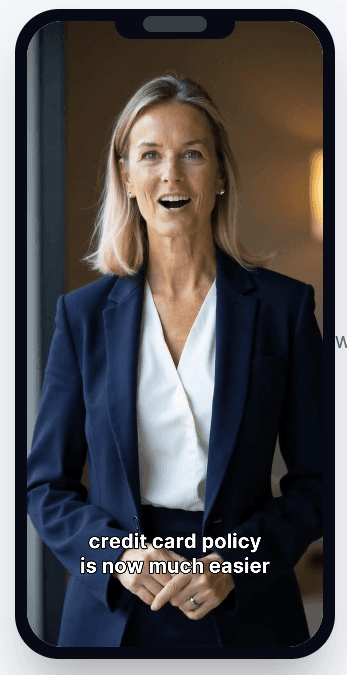
To make it feel less like generic eLearning and more like “learning from our own best operators,” they decided to use AI avatars that mirror the tone and teaching style of internal SMEs. Skill Studio AI supports this by letting instructors clone their own teaching style and avatar and reuse it across unlimited courses without extra recording time, which kept the program feasible for a lean QA and L&D team.
Finally, they set strict parameters on format: modules would be 3–7 minutes each, include at least one interactive decision point or knowledge check, and be assigned in short sequences over time rather than dumped as a single annual requirement.
How were SOPs converted into avatar-led microlearning?
The site used an SOP-to-video workflow where AI converted approved procedures into short, localized, avatar-led modules tied to specific roles and cleanroom tasks.
In regulated industries, compliance training only works if it stays tightly linked to the underlying policies and SOPs. Modern AI training platforms are designed to ingest policy documents, structure them into sections and required actions, and automatically generate explainer videos that can be regenerated whenever the source documents change. That “document-first” approach is crucial for audit trails because it makes it clear which video version relates to which SOP version.
At this pharma site, the build workflow settled into a repeatable pattern:
- QA uploaded current SOPs, contamination control strategies, and relevant policies as the source of truth.
- Skill Studio AI parsed these documents into sections, pulled out critical steps, definitions, and decision points, and proposed a structured microlearning outline for each behavior cluster.
- The team selected an internal SME avatar (for example, the aseptic processing lead) and used Skill Studio AI’s avatar-cloning capability to create a “virtual trainer” who could appear in every related module without new filming.
From there, they generated short videos where the avatar explained the “why” behind Annex 1 requirements, walked through SOP steps, and then walked operators through realistic scenarios, such as how to handle unexpected contamination indicators or how to respond when a colleague breaks gowning protocol. Industry guidance on compliance video best practices recommends using characters and realistic scenes that match the learners’ environment, because that increases identification and engagement compared to generic talking heads.
Each module ended with a quick quiz or branching decision, aligning with microlearning advice that short learning sessions should be immediately followed by opportunities to use critical thinking — either via quiz questions, role-plays, or scenario responses. Skill Studio AI handled version control in the background: when SOPs were updated, QA could regenerate affected videos in minutes, keeping the microlearning library synchronized with the latest approved documents.
How was the microlearning rolled out on the shop floor?
The rollout focused on minimal disruption to production: short bursts of training embedded into shift patterns and existing LMS assignments.
Instead of replacing the LMS, the site treated Skill Studio AI as the content engine and used the existing system — in this case, a GxP LMS similar to ComplianceWire or Veeva Vault Training — for assignments and completion tracking. That decision avoided a separate validation project and respected the 6–18 month procurement cycles typical for regulated sites.
The rollout strategy included several practical pieces:
- Microlearning sequences were assigned per role: cleanroom operators received a different sequence than warehouse staff, even when the underlying SOP was the same.
- Managers planned 10–15 minute blocks during shift handovers or slower periods where staff could complete 1–2 modules, rather than pulling teams off the line for an hour.
- Mobile and workstation access was enabled so operators could take modules in a quiet room on a workstation or, where permitted, on a supervised tablet.
Microlearning experts recommend enabling on-the-go learning and mobile access so people can engage with content when it fits their workflow, rather than only in scheduled sessions. At this site, that meant short modules that operators could complete while waiting for line clearance, between batches, or during planned micro-breaks in production.
The site also used Skill Studio AI’s mobile-friendly module access: with a mix of local and international staff, that flexibility let operators complete modules between tasks rather than only in scheduled sessions, while keeping one underlying SOP as the source of truth. (Multilingual localization is on Skill Studio AI’s roadmap and was not available for this rollout.)
What results did the pharma site see after implementation?
The site saw higher engagement, better recall in deviations, and a stronger audit story, even though many other factors also influenced outcomes.
This is not a controlled trial, but there were clear indicators the new format was working better than the old long videos. Internal engagement data showed completion rates increased once training moved to shorter segments, echoing broader findings that microlearning boosts participation and retention when compared to long-form, one-off sessions. These gains matched patterns seen in other pharma contexts, where companies have used microlearning tools to reinforce policies and SOPs more effectively than with traditional formats.
Qualitatively, supervisors reported that operators quoted specific points from the avatar-led modules during deviations and CAPA discussions — for example, remembering exactly when to change gloves or how to react to an environmental monitoring excursion — instead of just saying, “I did the training online.” QA investigators noticed fewer “training as a root cause” labels where there was no evidence of poor content.
The audit story also improved. When inspectors asked how Annex 1 requirements were translated into training, QA could show:
- The original SOP or policy document.
- The aligned microlearning modules generated from that document.
- Completion data, quiz results, and — in some cases — on-the-job assessments linked to that specific behavior.
This tightly coupled chain reflects best practice recommendations for AI-powered compliance training, where platforms treat policy documents as the source of truth and regenerate videos whenever those documents change. Skill Studio AI’s version control and audit-ready design helped QA demonstrate that training was current, role-specific, and directly linked to written procedures.
While it is impossible to attribute any reduction in deviations or observations solely to training, the site’s leadership judged that avatar-led microlearning removed a major weakness from their compliance posture and allowed them to focus remaining remediation energy on process and equipment issues instead.
What lessons can other pharma sites take from this case?
Other pharma sites can replicate this success by starting with high-risk SOPs, focusing ruthlessly on single behaviors per module, and treating AI avatars as a way to scale SME time, not replace it.
Three lessons stood out from this project:
1. Start where audit risk is highest.
Rather than rebuilding the entire training library at once, this site began with sterile manufacturing, aseptic technique, and contamination control — the areas most exposed under Annex 1 and where deviations carried the biggest patient and regulatory impact. This mirrors best-practice advice to prioritize policies directly tied to regulatory fines or safety when building AI-powered compliance videos.
2. Use microlearning rules, not just shorter videos.
Shorter is not enough on its own. The team followed key microlearning practices: each module had a single learning objective, included scenario-based practice, and repeated key concepts over time. Industry microlearning guidance for pharma emphasizes exactly these points: focus on single objectives, use realistic simulations, and leverage spaced repetition to cement knowledge in long-term memory.
3. Let AI handle the heavy lifting, while QA keeps the keys.
Skill Studio AI’s value here was practical: converting dense SOPs into structured microlearning outlines, generating avatar-led videos without filming, and maintaining version control so that updates were quick and traceable. QA remained in charge of content accuracy and approval, while the platform handled the repetitive work of turning text into training at scale.
For other Annex 1–affected sites, the big takeaway is that you don’t need to rip out your LMS; you need a way to turn your existing procedures and CAPA learnings into short, scenario-rich, avatar-led modules that match the way people actually work on the floor. Skill Studio AI is one example of that pattern in action for regulated industries where audit-ready training records are non-negotiable. (21 CFR Part 11-compliant electronic records are on Skill Studio AI's roadmap, not yet shipped.)
Frequently Asked Questions
Why are 40-minute compliance videos a problem in pharma manufacturing?
Long videos overload operators with information, cause attention to drop after a few minutes, and make it hard to link training to specific on-the-job behaviors. Microlearning research and practice show that shorter, focused segments aligned to single objectives improve retention and practical application, which is especially important for aseptic technique and contamination control.
What is avatar-led microlearning in a pharma context?
Avatar-led microlearning uses digital instructors or “avatars” to deliver short video modules that explain SOPs, demonstrate correct behaviors, and walk through realistic scenarios. In pharma, this can mean cloning the style of internal SMEs so one expert’s knowledge can be scaled across many plants without repeated filming, as Skill Studio AI does for regulated customers.
How do AI tools turn SOPs into compliance training videos?
AI tools ingest approved policy documents and SOPs, structure them into sections and required actions, and then generate explainer videos or microlearning modules that cover the “what,” “why,” and “how” of each requirement. When documents change, the same tools can regenerate the videos in minutes, keeping training aligned to the latest source of truth and strengthening audit readiness.
Can microlearning replace all GMP and Annex 1 training?
Microlearning is best used to reinforce specific behaviors and decisions, not to replace every form of training. You will still need foundational programs, hands-on practice, and qualification on the floor. However, replacing long, generic videos with microlearning sequences for high-risk areas like aseptic behavior and contamination control can materially improve both engagement and audit defensibility.
How does this approach work with existing LMS platforms?
Most pharma sites keep their validated LMS for assignments and completion records and use an AI training platform as a content engine. Skill Studio AI, for example, generates audit-ready, avatar-led microlearning and then customers surface it through systems like ComplianceWire or Veeva Vault Training, preserving validated workflows while modernising the training experience.
Is avatar-led training accepted by regulators and auditors?
Regulators focus on whether training is effective, current, and documented, not on whether a human or an avatar delivers the content. As long as training is derived from approved SOPs, change-controlled, and supported by completion and assessment data, avatar-led modules can strengthen your story by showing a clear link from Annex 1 requirements to observable behaviors on the shop floor.
Where does Skill Studio AI fit for a site already under FDA 483 remediation?
For sites dealing with 483s or CAPA-driven training requirements, Skill Studio AI is useful for quickly converting remediation SOPs, CAPA actions, and new contamination control strategies into short, role-specific modules. This helps QA show regulators that new expectations are not only documented but embedded into daily practice through targeted, trackable training.